ADMINEXISTS
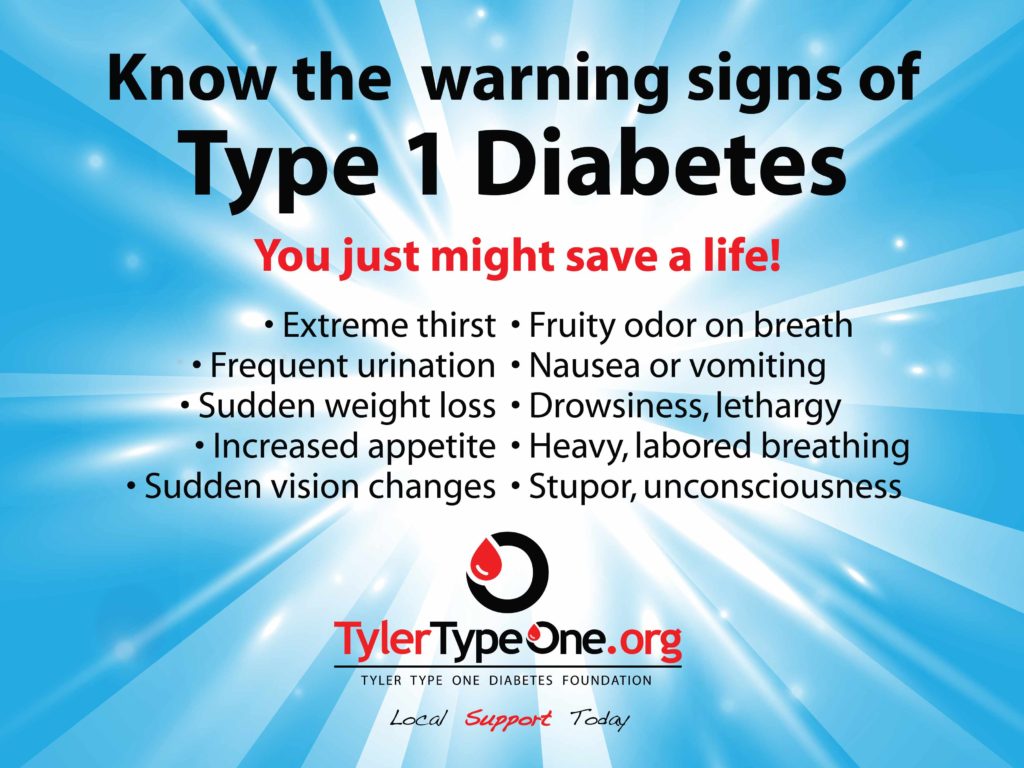
November is Diabetes Awareness Month! Let's take a moment to shine some light on one specific type of diabetes that is often misunderstood. Type 1 diabetes (T1D) is an autoimmune disease that can develop in anyone at any age. T1D occurs when your immune system attacks and destroys insulin producing cells in your pancreas. A few quick facts:

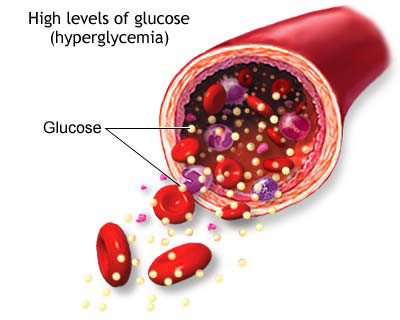
Maintaining healthy blood sugar levels is very important for overall health, including your oral health! When blood sugar levels consistently run high, sugar content in salvia is also high. The excess sugar feeds the bacteria that cause cavities and gum disease. It also creates an more acidic environment which is harmful to oral tissues. Healing abilities are diminished during periods of low or high blood sugar. All of these things together make it harder for your body to repair damaged tissues, which can lead to an increase in cavities and gum disease. The good news is that there are ways to prevent oral complications!
Having healthy teeth and gums will actually help you achieve healthy blood sugar levels. Active infections such as gum disease make it very difficult to rein in blood sugar levels. Prevent infection by practicing excellent oral care, maintaining a healthy lifestyle and working hard to keep blood sugar in optimal range.
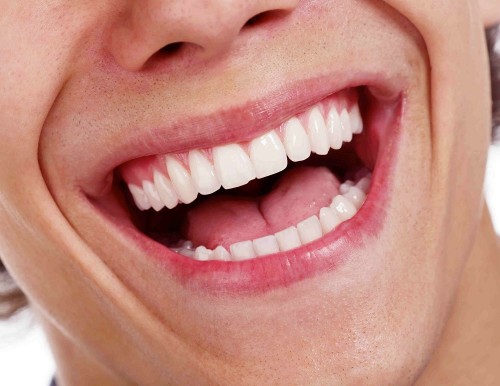
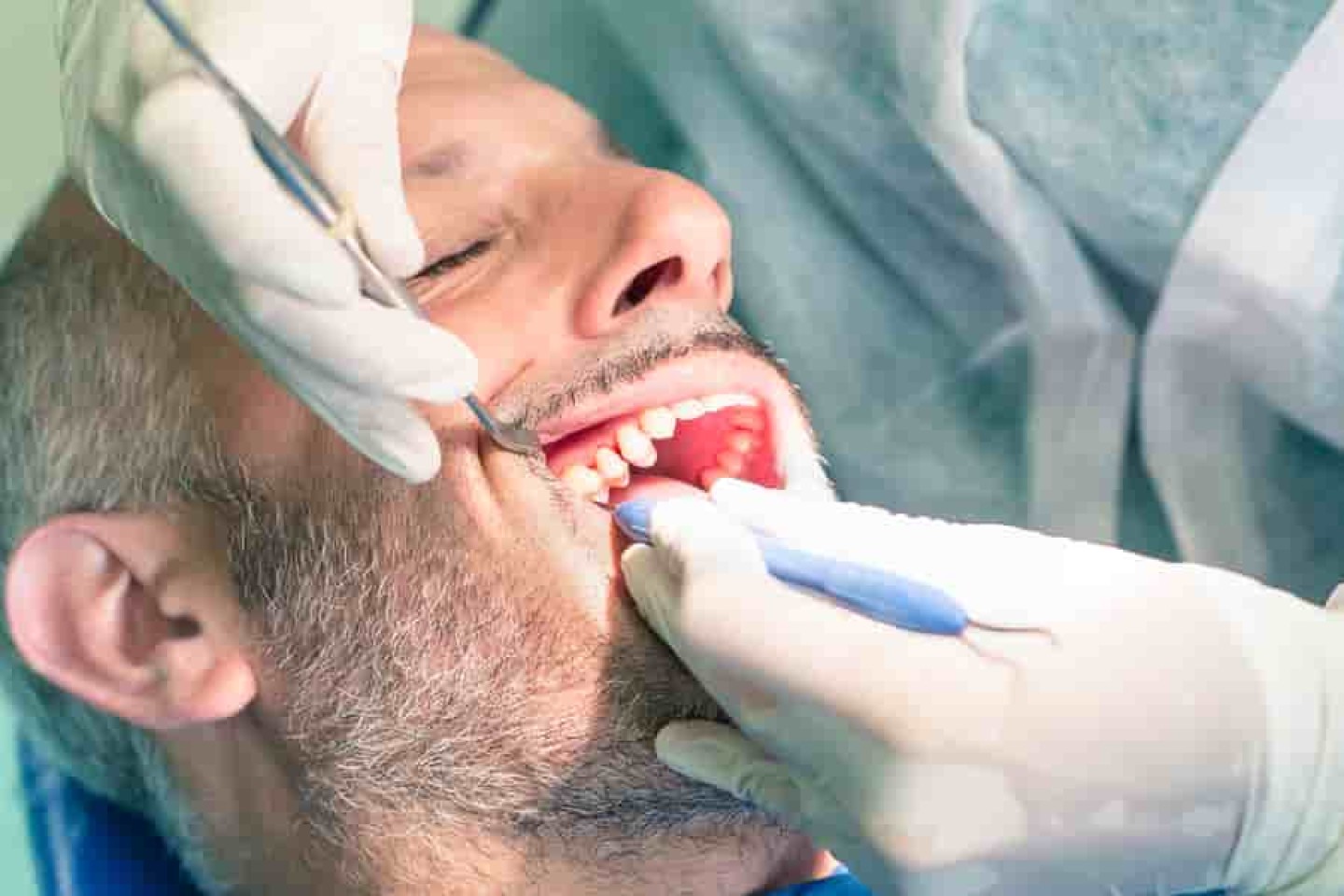
Routine dental cleanings are done to prevent gum disease and maintain optimal oral health. But, what happens when you fall off of the prevention wagon or when you have a troublesome area of periodontitis (aka gum disease)? If you have areas of moderate to heavy calculus build-up, deep gum pocketing, inflammation, and/or bleeding, your dental hygienist may recommend scaling and root planning.
To understand why scaling and root planing is sometimes necessary, it's important to understand the different levels of gum disease. Gum disease can be split into two main categories: gingivitis and periodontitis. Each category can be broken down into mild, moderate, and severe forms. All forms of gum disease are influenced by a variety of factors. Oral hygiene, diet/nutrition, genetics, drug and alcohol use, frequency of routine dental care, and systemic health conditions all play a role.
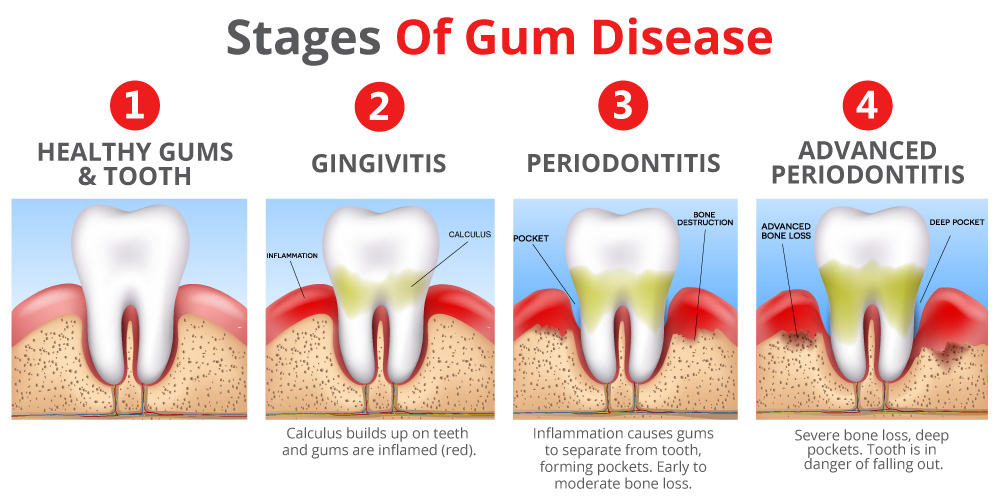
Gingivitis is defined as inflammation of the gum tissue without loss of supporting structures such as bone, periodontal ligaments, and marginal gum tissue. According to the American Dental Association, almost 100% of people will experience gingivitis in their lifetime. Poor plaque control is one of the most common causes of gingivitis. Gingivitis is reversible and can typically be treated with routine dental cleanings, improved oral hygiene, and over-the-counter products. If left untreated, gingivitis can progress into periodontitis.
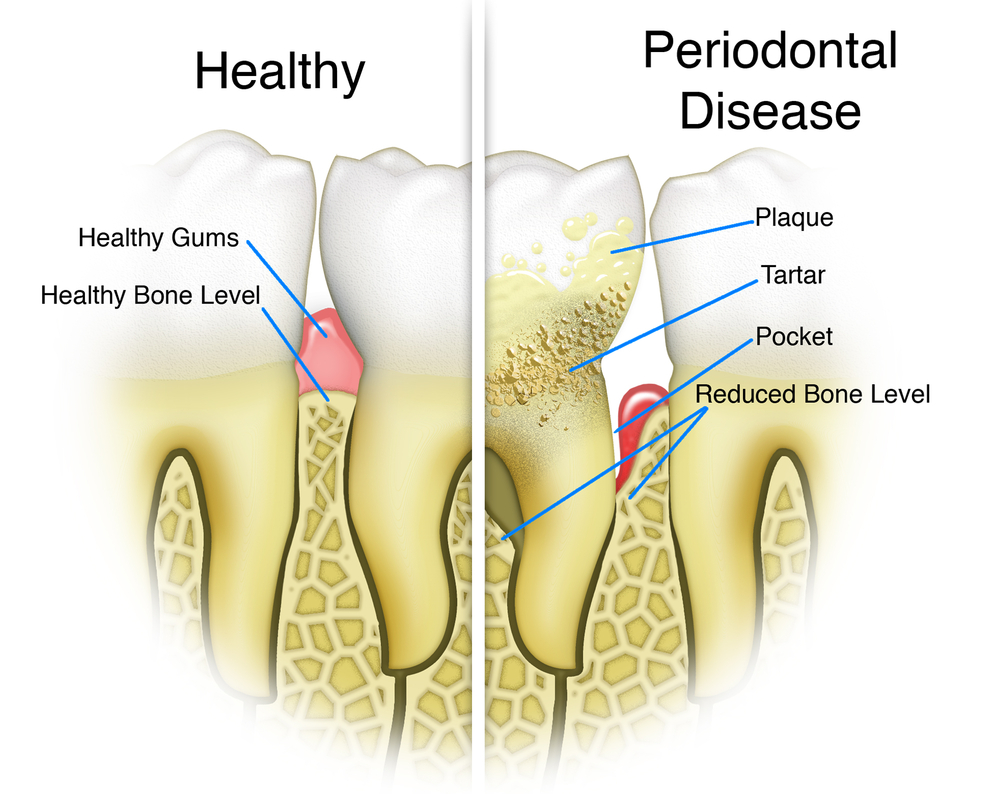
Periodontitis is defined as inflammation of the gum tissue and support structures that has resulted in permeant damage and loss of tissue. Severity is determined by the degree of bone loss, tooth mobility, and tissue destruction. Periodontitis is typically a multifactorial process and must be addressed promptly to achieve the best possible outcome. This is where scaling and root planing comes in!
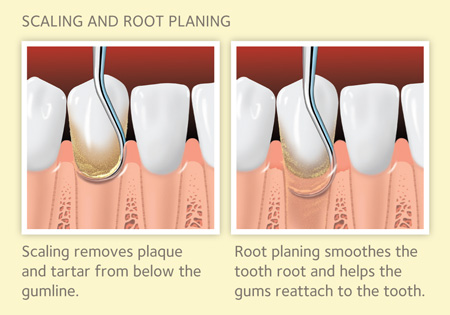
Scaling and root planning is often referred to as a "deep cleaning" because it is more involved than a routine cleaning. Often times, this means splitting the cleaning into multiple appointments. Your dental hygienist will evaluate and make a treatment plan by quadrant (upper right, lower right, upper left, lower left) to determine appointment length. You can usually plan on at least two 90 minute appointments to complete your treatment, sometimes more. You may need to be numb for the procedure to allow for all of the plaque, calculus, and debris to be removed comfortably. Don't fret! Different types of anesthetic (some topical and needleless) can be used. Once your comfort needs have been met, your dental hygienist will remove the plaque, calculus, and stain using an ultrasonic scaling device and hand scalers. The ultrasonic scaler works quickly to access hard to reach areas, remove caked on build-up, and help irrigate inflamed gum pockets. It also helps kill bacteria as it cleans which improves healing outcomes. Hand scalers leave a smooth, healthy finish to allow for healing. During the cleaning process, as well as when it is complete, it is very important to practice excellent oral home care to allow the gum tissue to heal. You will typically return in 6-12 weeks for a follow up appointment. At this appointment, your dental hygienist will likely do a thorough periodontal maintenance cleaning and evaluate overall healing. He or she will also determine what type of routine cleaning you need moving forward.
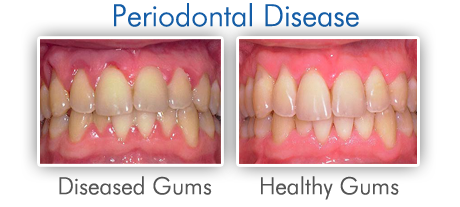
Stopping progressive gum disease in it's tracks is the only way to prevent further destruction. Calculus build-up under gum tissue creates a similar situation to a splinter buried deep in a finger. If you let the splinter stay stuck under the skin, an infection develops and it will continue to worsen until the splinter is removed. The calculus must be removed for the gum tissue to heal to the best of it's ability. The sooner you get started, the better the outcome. You'll never regret taking steps towards better health.
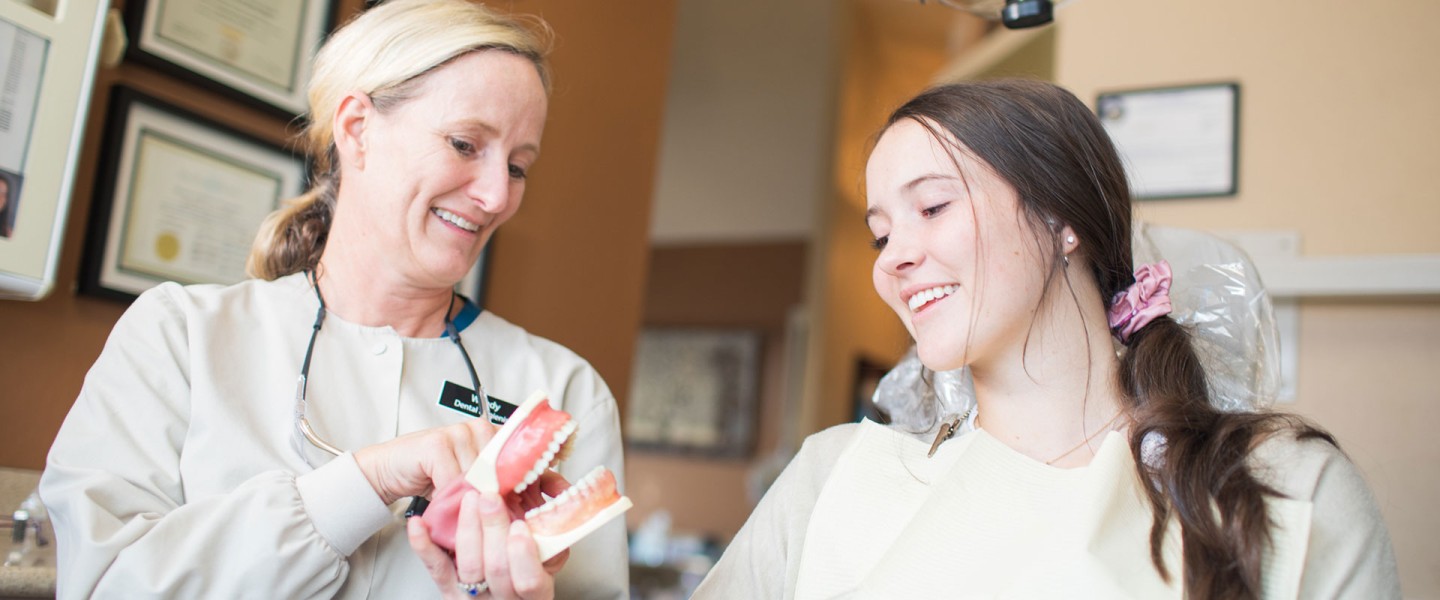
Excellent oral hygiene is a very important part of preventing tooth decay. Even the best brushing and flossing routine can't reach all of the tiny nooks and crannies in teeth. First permanent molars start coming in around the age of 6. Those same teeth are supposed to withstand decades of continuous use! Once a tooth erupts into the mouth, it continues to mineralize and harden. On average, a tooth takes around 2 years to reach optimal hardness.
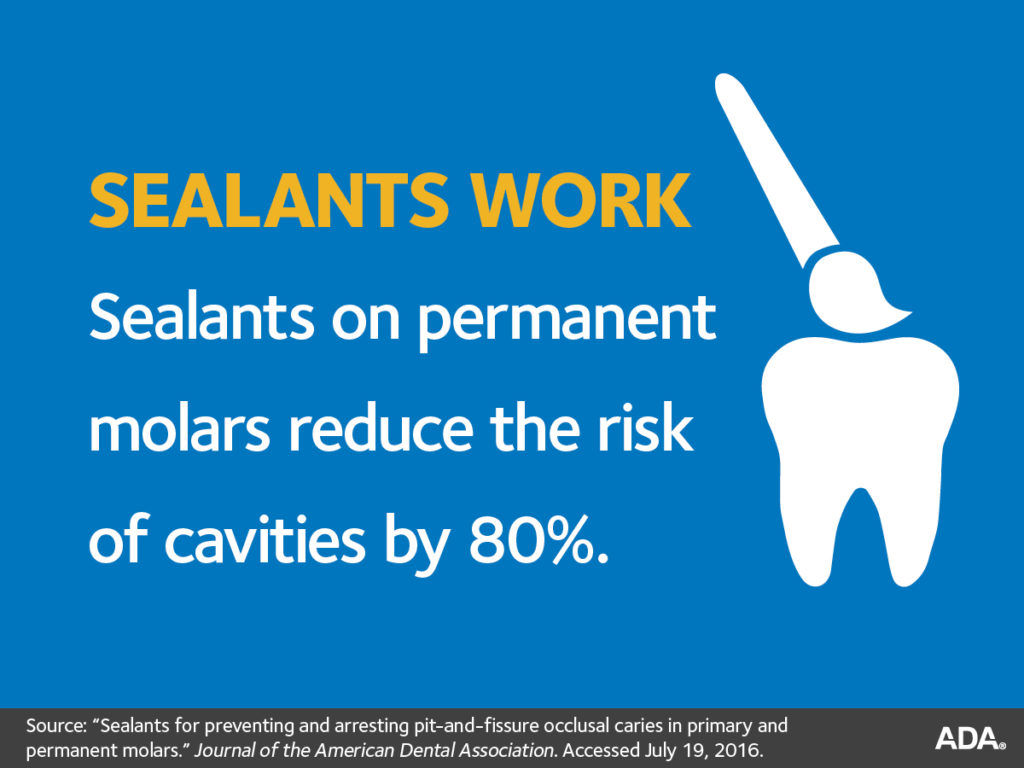
Dental sealants are an easy and effective way to prevent cavities in the grooves and pits of teeth. This is extremely beneficial as teeth complete the mineralization process. According to the American Dental Association, 80-90% of cavities that occur on the occlusal (chewing) surface can be prevented by the placement and maintenance of pit and fissure sealants.
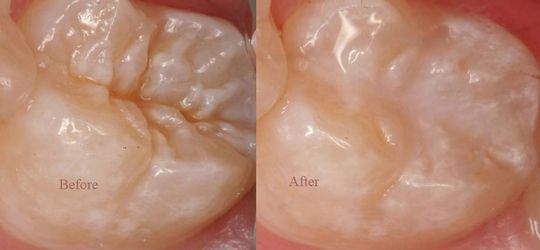
Dental sealants are made of a tooth colored, thin resin material that easily flows into the pits and grooves of teeth. Once hardened, the material acts as a shield by blocking out food and bacteria. This creates a more even surface to clean and prevents bacteria from settling into thin crevices that may be too tight for toothbrush bristles to fit in.
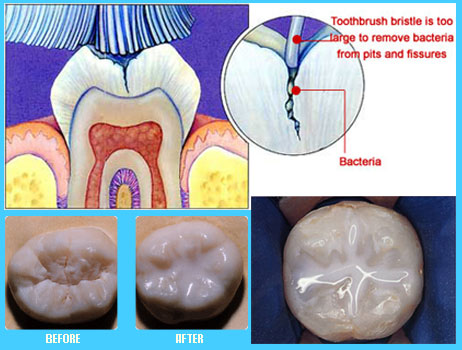
Sealants can be placed at any age. Molars are the most commonly sealed teeth because they have the deepest grooves and the highest decay rates. Sealants are most beneficial when placed within the first 6 months after a tooth is fully erupted. Sealants should maintained through childhood and adolescence. Adults with moderate-high decay rates, special needs or medical conditions/situations such as chemotherapy or radiation treatment also benefit from dental sealants.
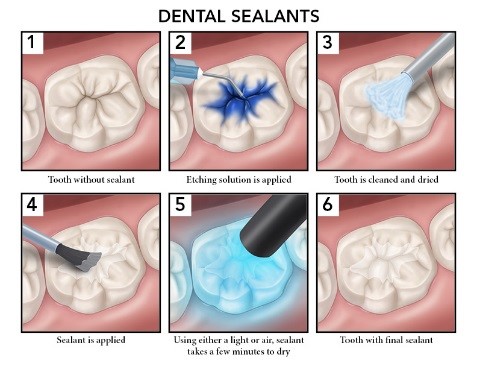
A tooth must be examined to insure that it is cavity-free. If decay is present, additional treatment is needed. Once the tooth is determined to be cavity-free, it is cleaned to remove plaque and food particles. Next, the tooth is isolated with cotton to keep the area dry. An acidic etchant solution is carefully applied to the tooth. The tooth is rinsed and thoroughly dried before placing the sealant material on the tooth. The sealant material flows into the crevices and special care is taken to insure that all grooves are covered. An LED dental curing light is used to set and harden the sealant material. Once hardened (about 10 seconds of light exposure), the sealant process is complete. The process is painless and typically quick and easy!
Eating and drinking can resume immediately after sealant placement. Ice chewing, eating sticky/chewing candy, and clenching/grinding teeth can all cause excessive wear to sealants. Even everyday chewing can cause normal wear and tear that will need attention as years pass. Your dental hygienist and dentist will examine the condition of your sealants at your regular cleaning appointments. Sealants should be "touched-up" as they wear over time.
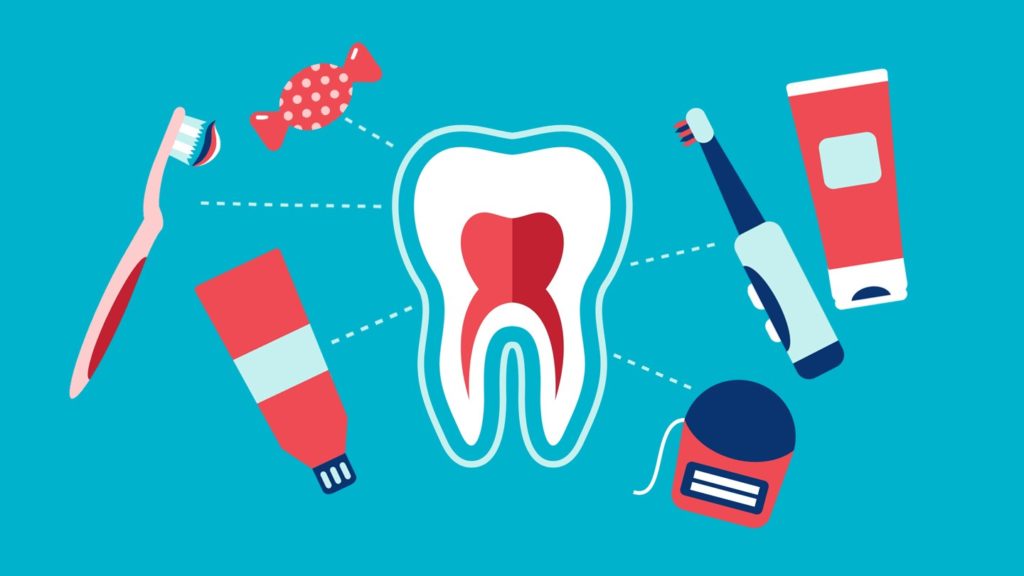
While sealants greatly decrease decay rates on chewing surfaces, they cannot be placed on the smooth surfaces between teeth. Sealant material relies heavily on mechanical retention to remain in place. The material cannot stay in place without a groove to settle in. Excellent oral hygiene, a healthy diet, and regular dental care must still be practiced to protect teeth from decay.
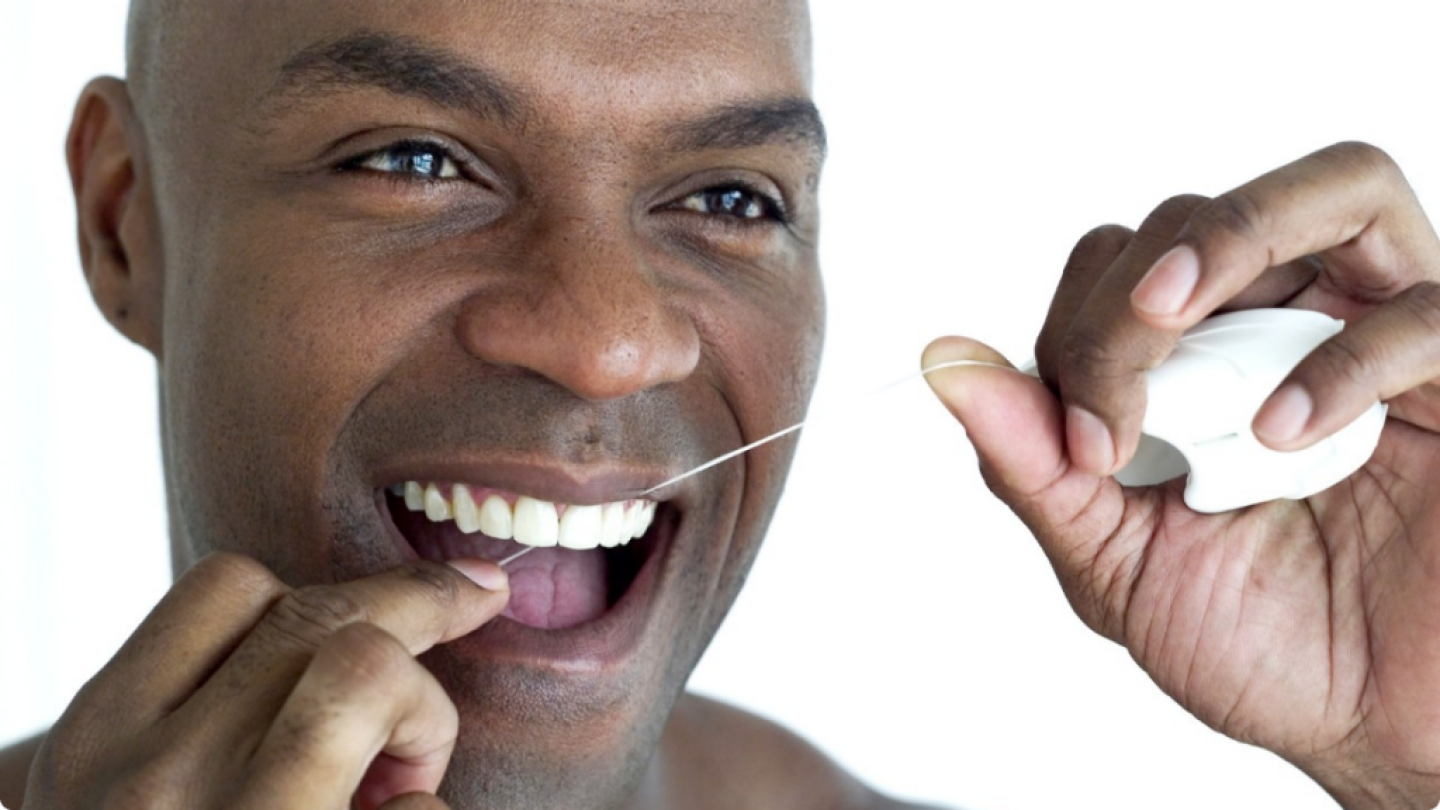
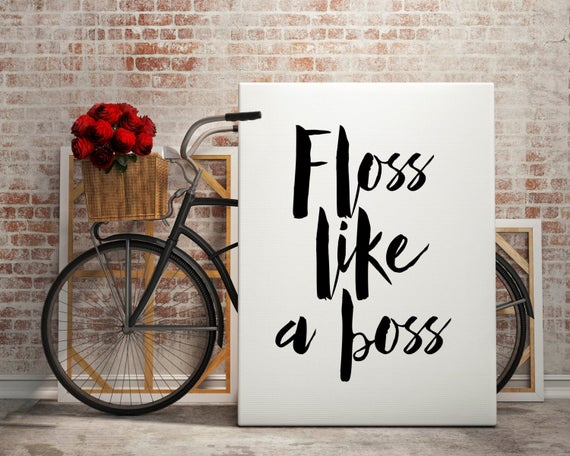
Flossing! So simple, yet so difficult for many people to stick to! Most people won't skip a toothbrushing session, even when they are pushed for time. Flossing takes less than 60 seconds (unless you are navigating the treacherous flossing territory of braces), yet it is often thrown to the wayside. Don't dread it, don't skip it, just take a few simple steps to switch up your routine and you'll be flossing like a boss in no time!

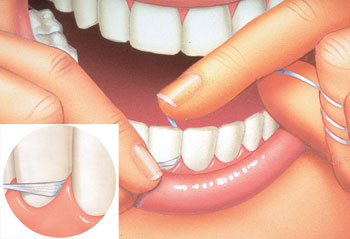
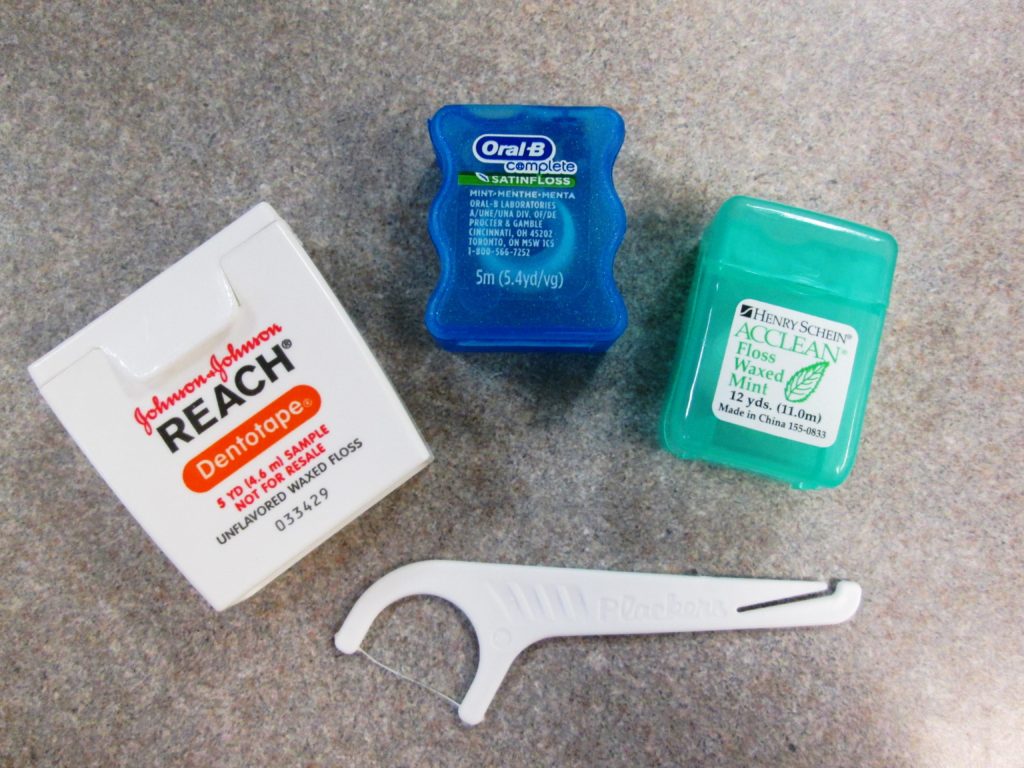
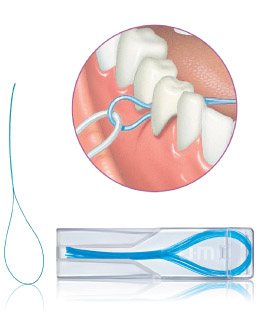
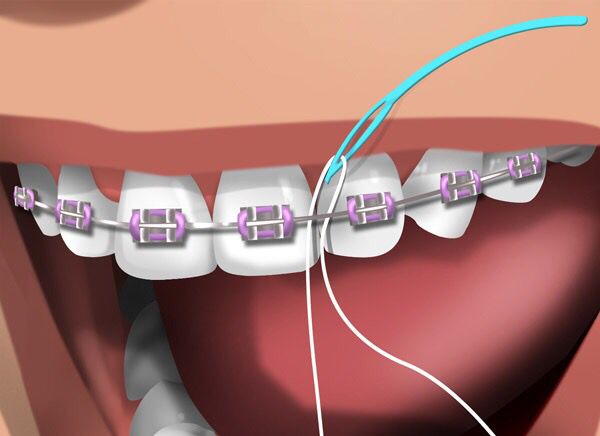
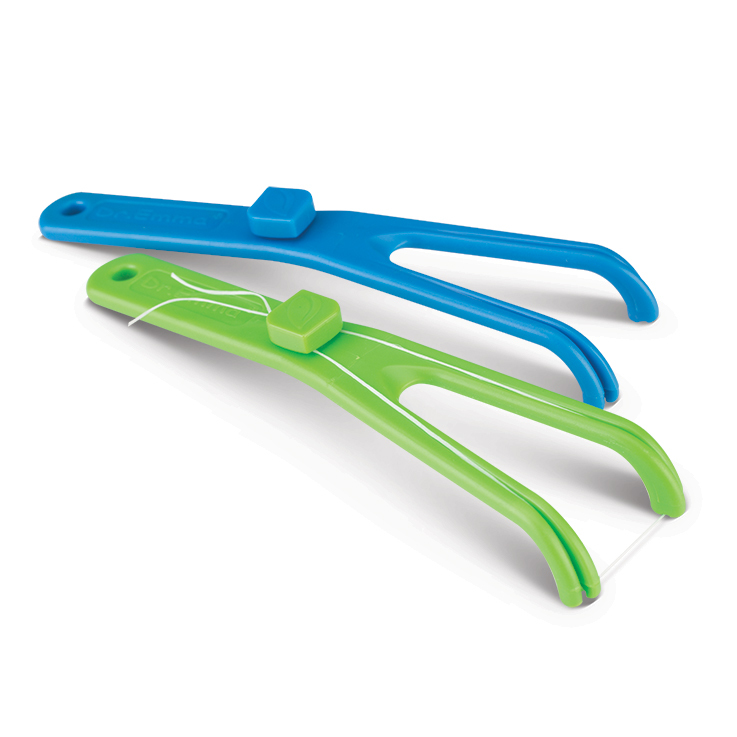
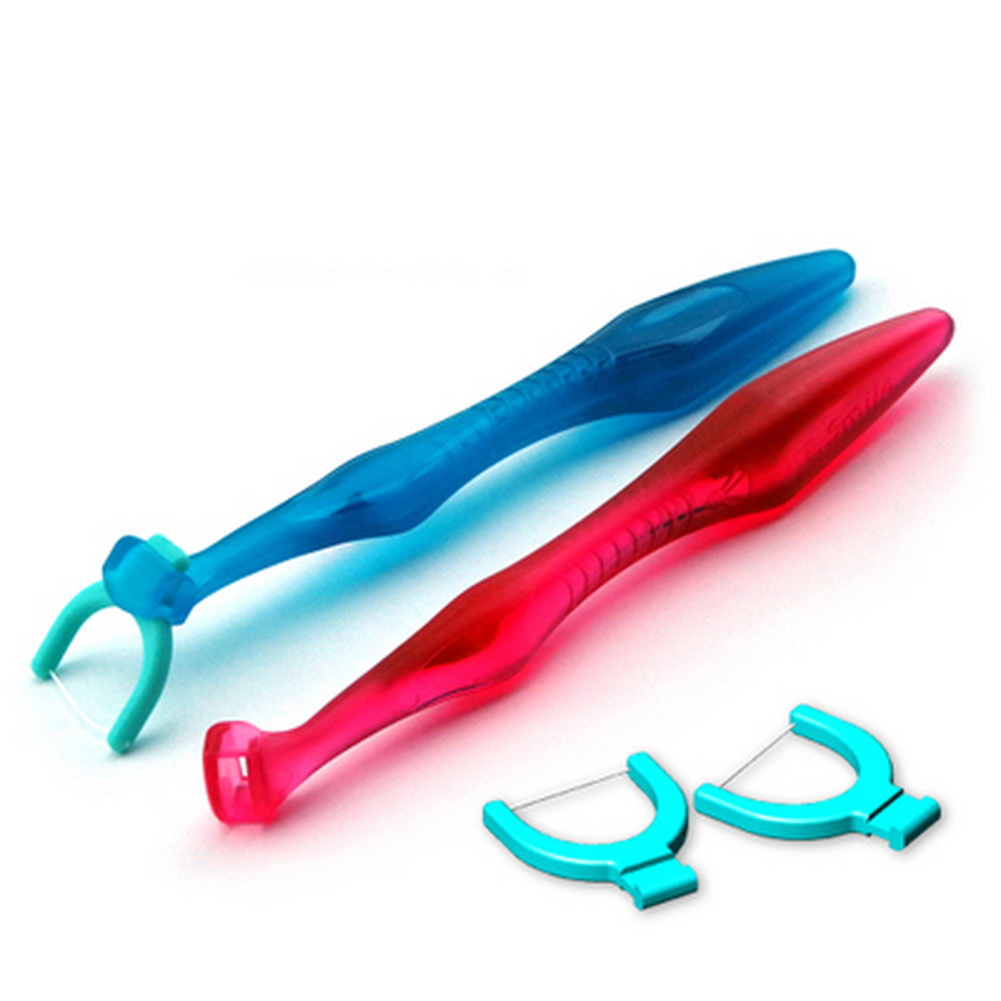
The floss aisle can be overwhelming! Sometimes you need more than one type to fit all of your needs. Don't fret! Your dentist and dental hygienist will gladly help you navigate options before you go. Once you have chatted about options, there is only one way to find your perfect match. Yep, you've guessed it! Get crazy...hit up the floss aisle, binge watch something amazing on Netflix, eat all of the movie snacks, and go to town! See what feels good, what doesn't work, and what you definitely can't live without. Floss Boss status achieved.

Bad breath! We've all been there and it's not somewhere any of us ever want to be! Morning time, onions, garlic, and even the popular Keto diet are all common culprits of stinky breath, but sometimes there is more to it! Let us explore...
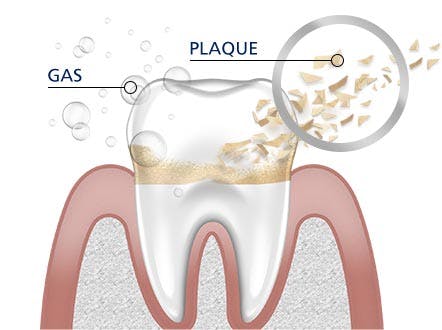
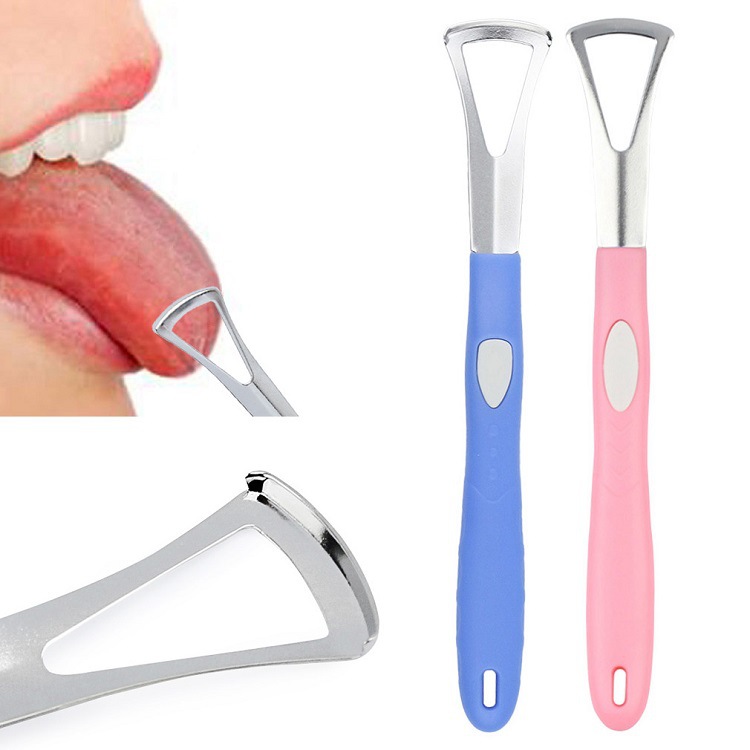
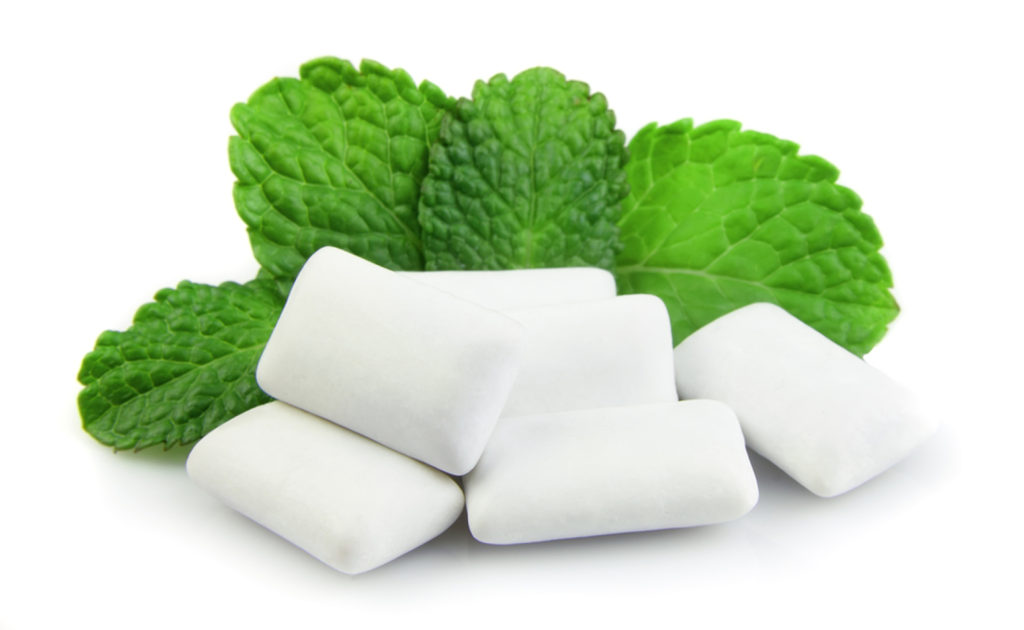
If you have tried all of these suggestions and you are still experiencing bad breath, don't just settle for dragon breath! Speak to your dental hygienist or dentist. There may be something for your particular situation.
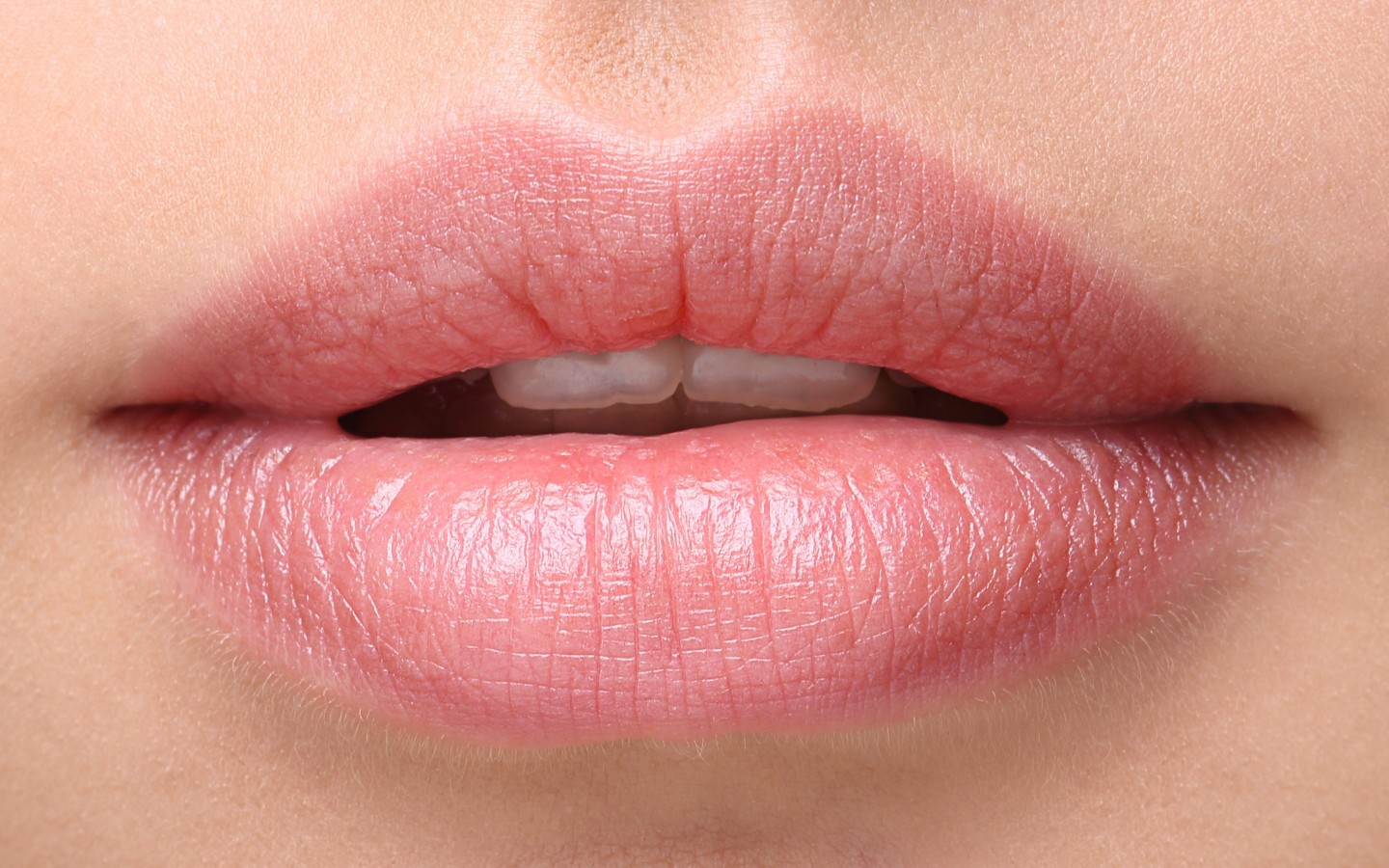
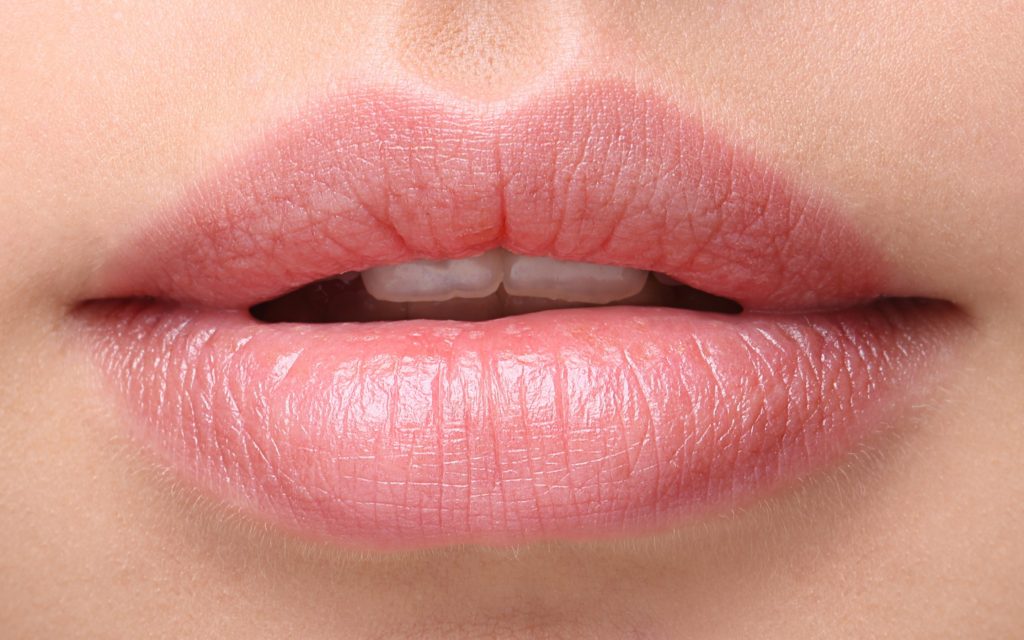
Picture it...a beautiful summer day, settling into your cozy beach chair, sinking your feet into the Tahoe sand. You've slathered spf 50 from your forehead to your toes, but wait! Did you skip your lips!?!
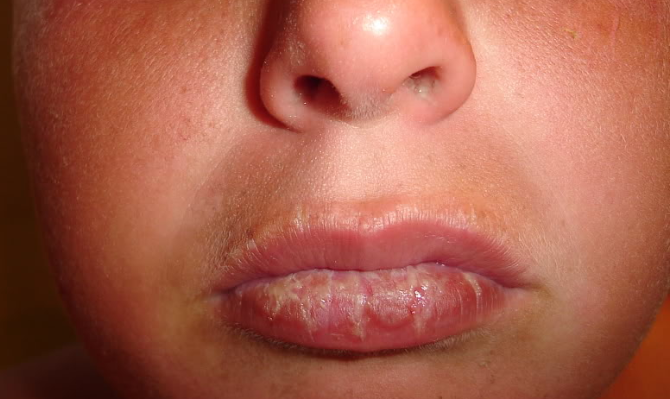
Sunburnt lips are no laughing matter. Lips are often forgotten during our skin care and sun protection routines. We may remember to swipe a little lip balm or coconut oil on them when they feel dry, but how often do they get the sun protection that they deserve?
According the National Cancer Institute, skin cancer is always one of the most common cancers in the US. The lips are often an overlooked site for two most common skin cancers, basal and squamous cell carcinoma. Melanoma can also occur on the lips, but occurs less frequently. Fair-skinned men over the age of 50, those who use tobacco and alcohol, as well as those with moderate sun exposure have the highest risk of developing cancer of the lip. It can happen to anyone at any age, so it's important to take lip protection seriously.
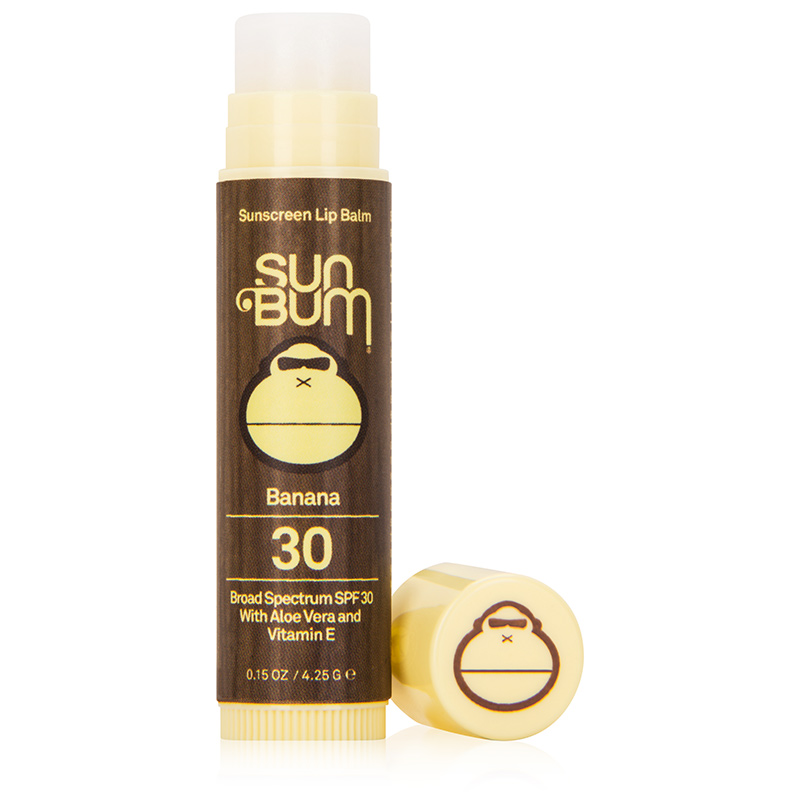
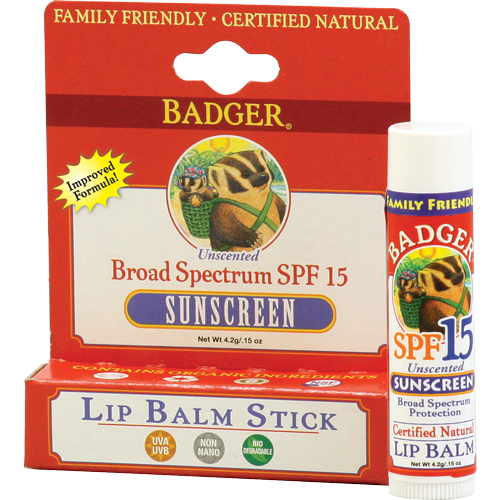
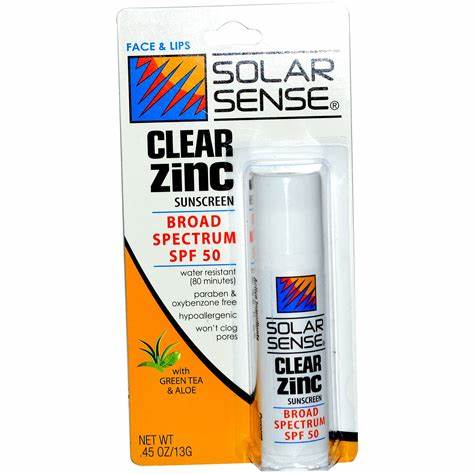
The five year survival rate for lip cancers caught in the earliest stages is close to 80%. Annual skin checks with your dermatologist and seeing your dental hygienist and dentist for regular head and neck exams is very important. If you notice changes in your tissue or have concerns, don't hesitate to get in for an exam sooner rather than later.

How strong are your teeth? Are you struggling with cavities or gum disease even though you feel like you are doing all of the right things? How about sensitivity? Well...have you tried xylitol?
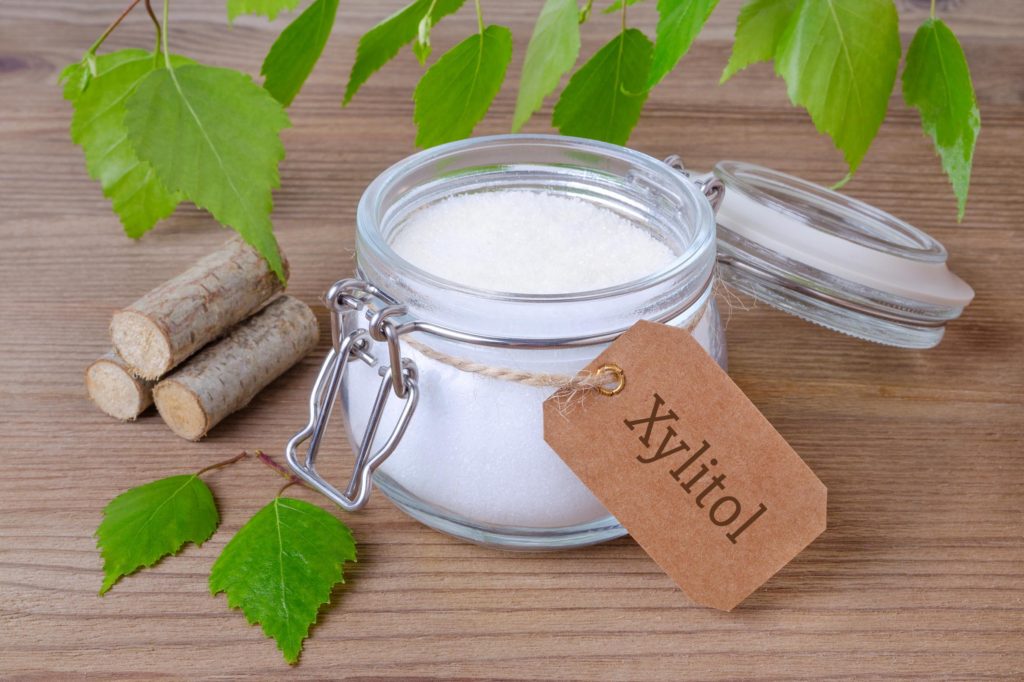
Xylitol is a natural, non-nutritive sweetener that comes from corncobs and birch trees. You can find rows of sugarless gum, toothpaste, mouthwash, and even sweet treats like ice cream and chocolate that contain xylitol as a sweetener or active ingredient. Xylitol is naturally sweeter than sugar, yet it doesn't contain many digestible calories.
So what makes it so special? Xylitol can help protect your teeth from cavities and gum disease! It works by naturally preventing the bacteria in your mouth from breaking down sugars left from other foods. If the bacteria aren't able to breakdown sugar, they aren't able to produce the acid that causes tooth decay and gum disease. Harmful bacteria produce acid and thrive in the acidic environment. Xylitol also helps neutralize the pH in your mouth. A neutral pH helps protect teeth and gums by making it harder for the destructive little sugar bugs to thrive.
To reap the dental benefits that xylitol has to offer, there are a few rules to follow!
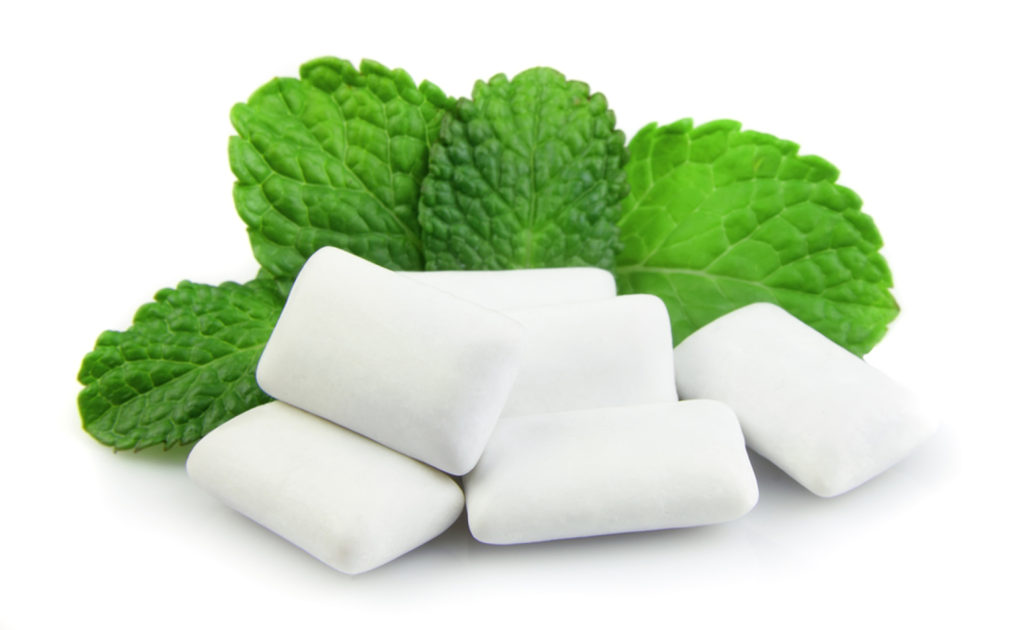
Next time you are shopping for oral care products, give xylitol a try! Orbit and Spry products are good go-tos! Your teeth and gums will thank you!
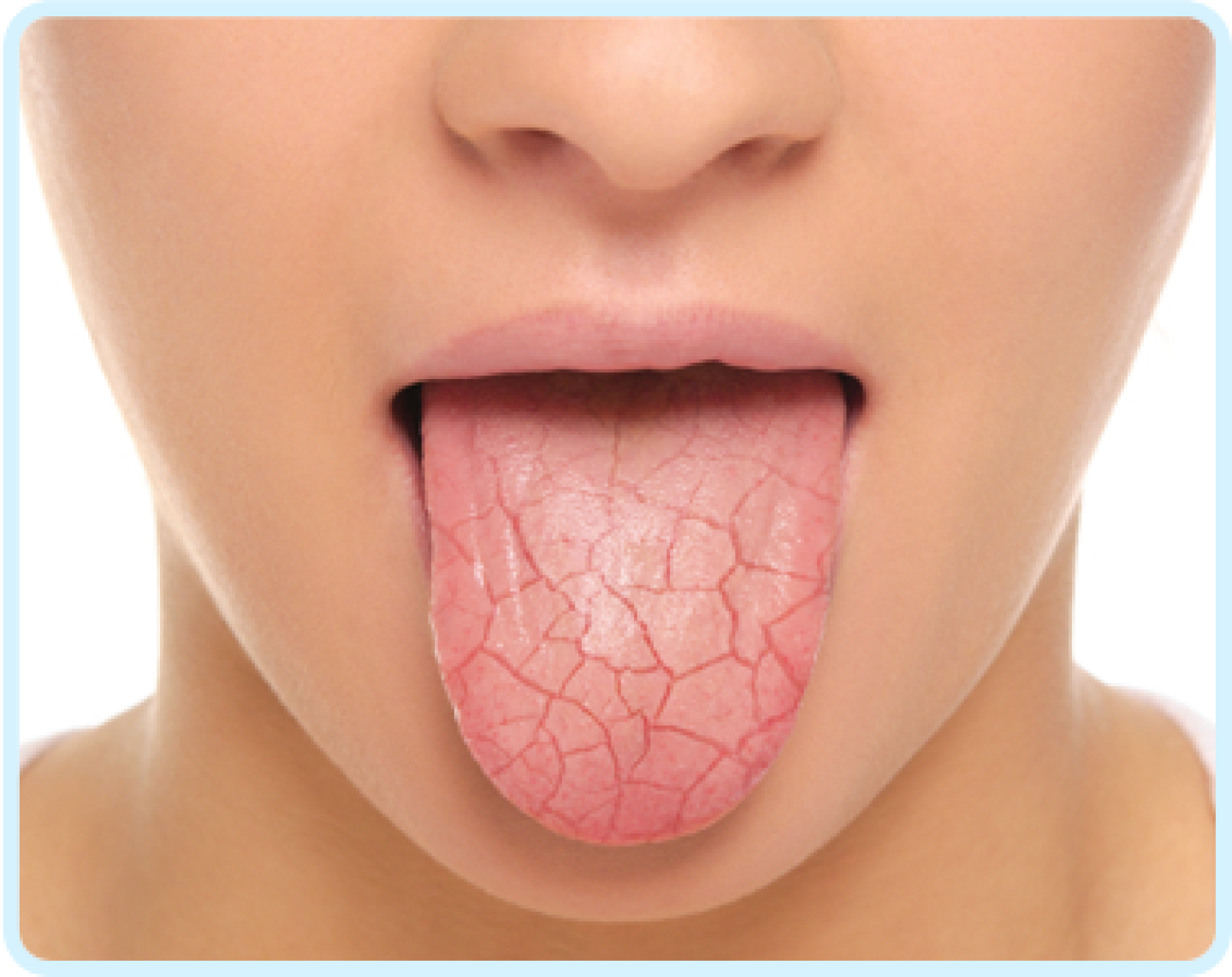
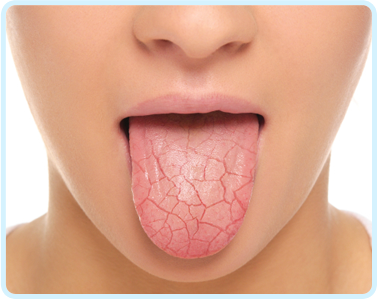
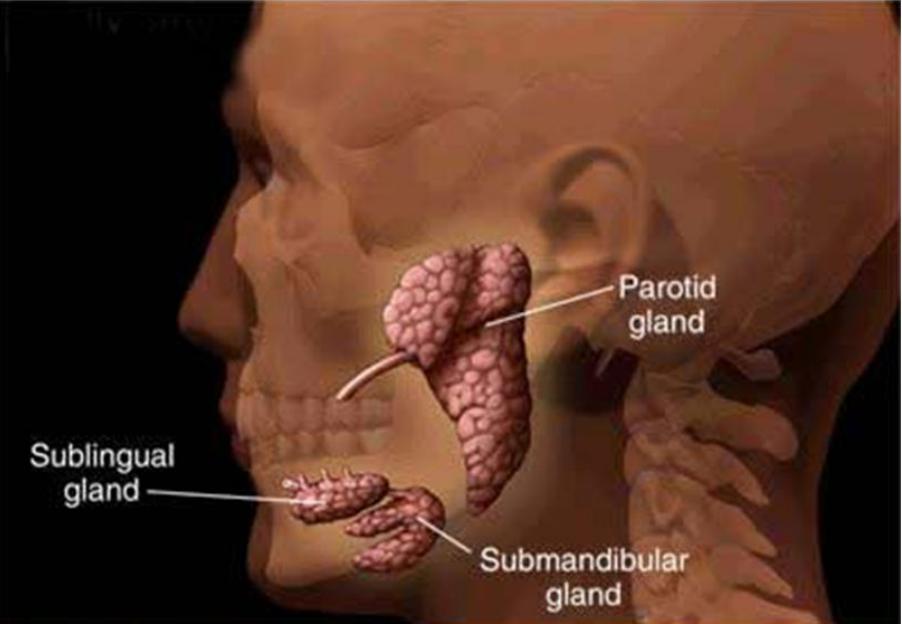
Xerostomia is a condition where the body doesn't produce enough saliva. Saliva is produced and secreted by three pairs of salivary glands located in your cheeks and under your tongue.

Saliva, aka spit, plays a very important role in your oral health. On average, a person produces around one liter of saliva per day! Saliva keeps oral tissues moist, which protects them from wear and tear (sometimes literally). Saliva helps flush harmful bacteria out from under gums and in between teeth. It provides a source of minerals, such as calcium and phosphorus, which help rebuild weakened or sensitive areas of teeth. Last but certainly not least, saliva aids in digestion by starting to breakdown carbohydrates right on the spot! Next time you are enjoying a banana or piece of toast, send a little love to your salivary glands for working hard!
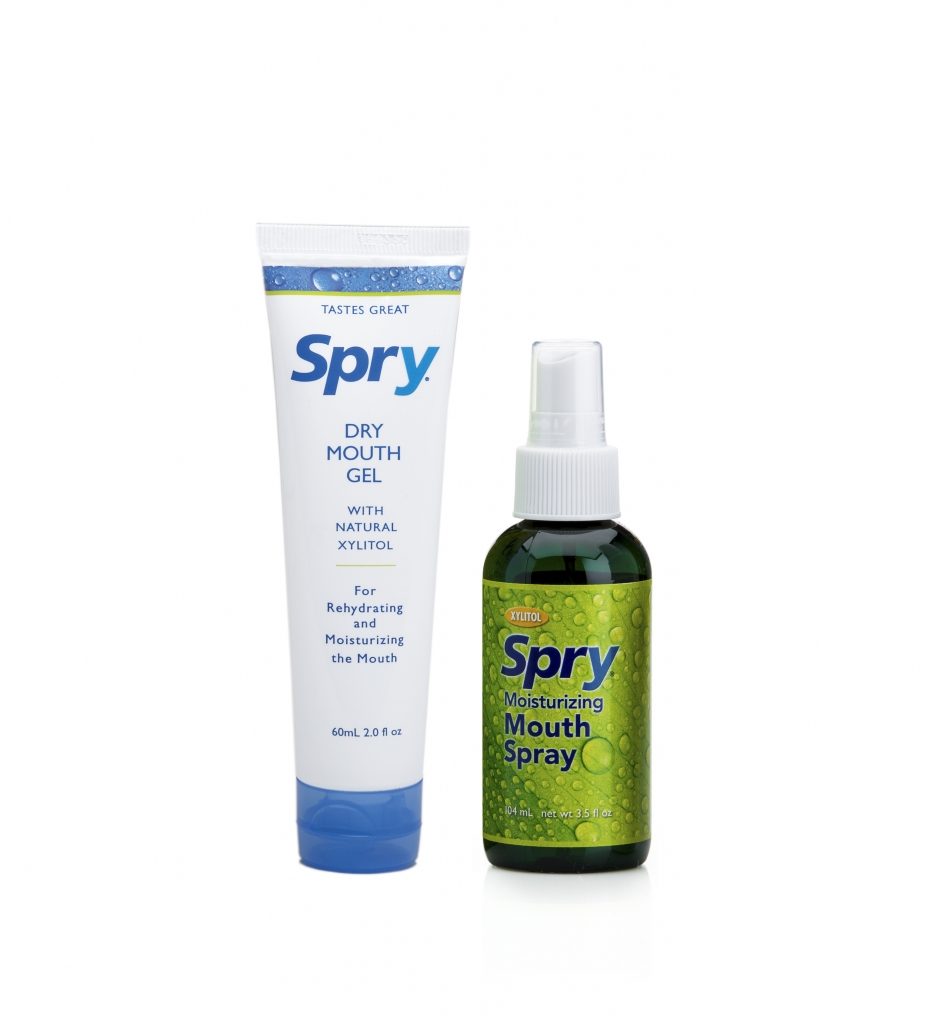
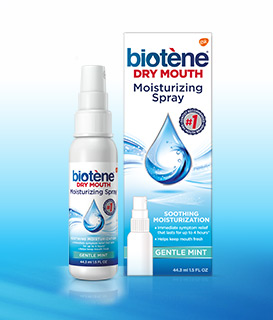
You don't have to suffer through xerostomia! If you are experiencing dry mouth, give us a call so we can help you navigate a plan that works best for you.
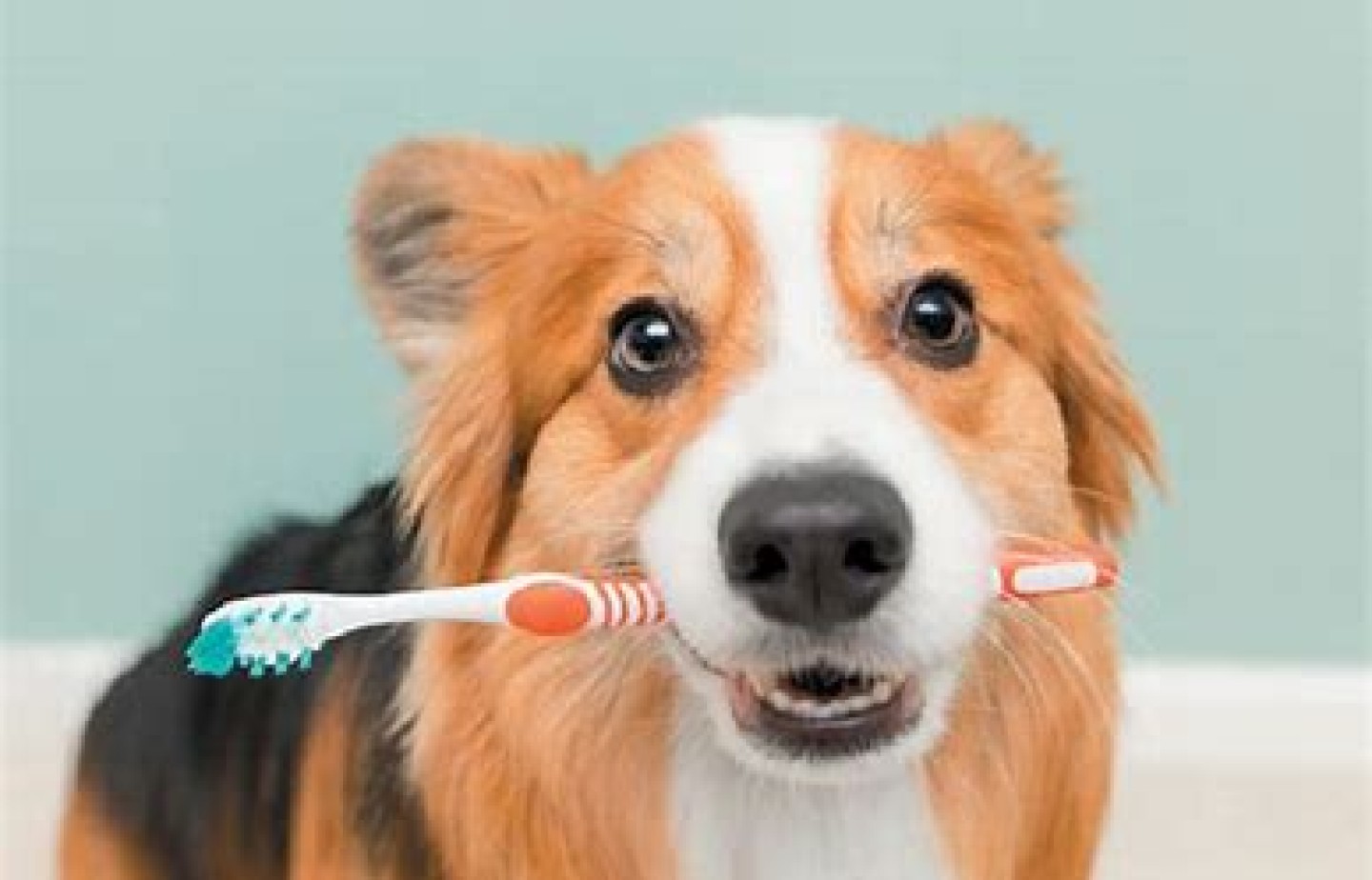
When it comes to toothbrush options, there is definitely a wide variety! Choices range from your basic, good ol' manual $2 brush to the fanciest electric brush that you have to sell the family dog to pay for! What's hot, what's not, and what is worth selling Spike for...
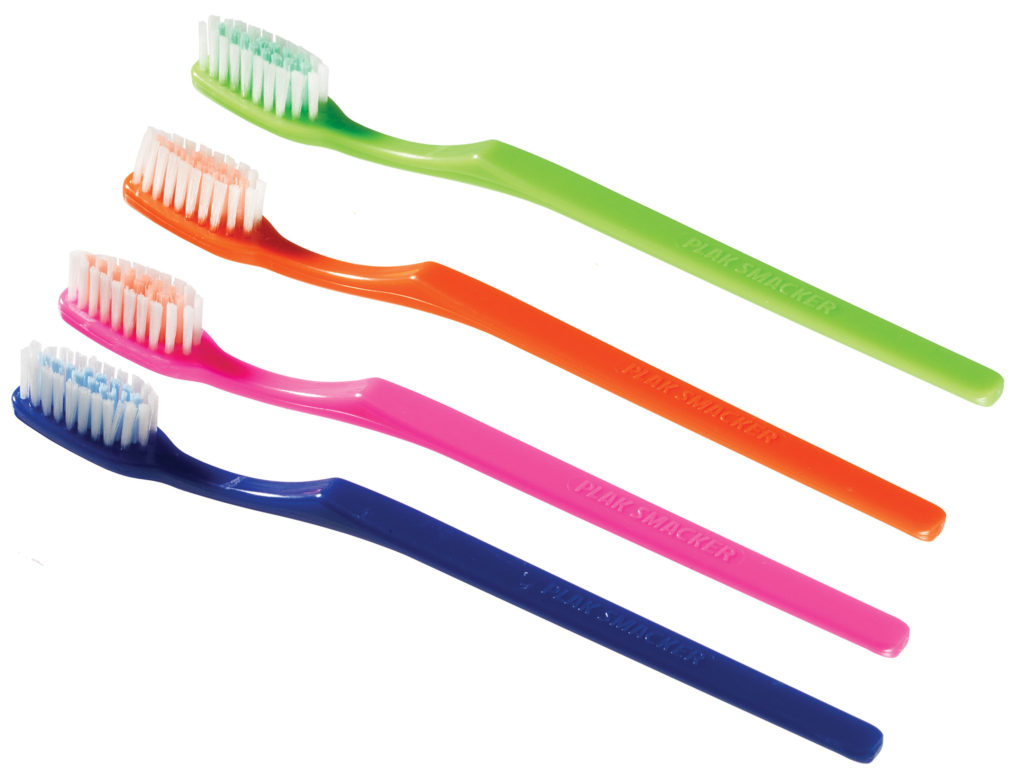
This is what comes to mind for most people when they think of a toothbrush. These typically have plastic handles with synthetic fiber bristles that come in varying levels of firmness. Many new ecofriendly options made of wood or bamboo are becoming more popular if you are looking for a brush that doesn't contain plastic. Most manual brushes range from $1-$8 and can be found just about anywhere. These will get the job done if you are very diligent, but you really need to be mindful about brushing for a full two minutes and not going overboard with the elbow grease which can cause damage to gums and teeth. We never recommend using anything other than a soft bristle brush. Medium or firm bristles will cause damage to gums and teeth.
Pros: inexpensive, easily accessible, several sizes and shapes to fit your personal preferences, many design and color options
Cons: no timer to keep you on task, increased risk for damage caused by brushing too hard, only able to clean where the bristles can reach
Electric brushes come in all shapes and sizes. This is one area where we feel like you often get what you pay for. That being said, don't sell Spike just yet! Not everyone needs the fanciest options with all of the bells and whistles. You can usually find great brushes at reasonable prices. Electric brushes can be split into battery operated and rechargeable/electric options.
Battery operated brushes are typically found right along side the manual toothbrushes at the store. The Crest Spinbrush and Oral B Gum Care Brush are two popular options. These brushes use AA or AAA battery power to vibrate the brush and give a little extra ump to your brushing power.
Most battery operated options cost between $5-$25 and most allow for battery replacement as needed. The vibration can help remove plaque in hard to reach places, which makes this a step up from a traditional manual brush. unfortunately, they don't quite provide the same level of clean that a rechargeable brush can.
Rechargeable brushes are considered the Cadillac of toothbrush-land. Many new options come and go on the market, but Oral B and Sonicare are mainstays. Both companies make great toothbrushes that plug in to recharge but there are a few main differences.
Oral B uses vibration and rotation and has a small round head to reach tight spaces. Sonicare has an oval shaped head and uses soundwave technology to vibrate the toothpaste and saliva between your teeth and into nooks and crannies that can't be reached by the bristles themselves. Both companies offer different models with varying levels of upgraded features (such as UV light sanitizers, tongue cleaners, pressure sensors to prevent you from brushing too hard, smart phone app integration, multiple brush settings to accommodate sensitivity or orthodontic appliances, and extra charging devices). Sonicare and Oral B both plug in to recharge once a week (or so).
Sonicare and Oral B both require replacement brush heads 2-4 times a year. These cost between $8-20 per head depending on what you choose. A basic Sonicare without all of the bells and whistles costs around $50. A basic Oral B brush costs around $30. Both basic models will give you extra cleaning power, the ability to reach spaces that cannot be reached with a manual brush, and a timer to keep you brushing for two minutes. A Sonicare Diamond Clean system that comes with every possible upgraded feature runs between $250-$300. The top of the line Oral B Genius 8000 runs around $150. Both brushes rank similarly in clinical trials when it comes to plaque removal and overall oral health. Our dental hygienists at Brosy Family tend to favor the Sonicare brand as they feel that they see cleaner, healthier smiles in patients who use them. See the links below to learn more about Oral B and Sonicare models.
Pros: lower gum disease and cavity rate, cleaner teeth, less damage to gums, more effective
Cons: higher cost, have to recharge
When used correctly, an electric brush will definitely outperform any manual brush and provide you with the safest, healthiest cleaning experience. A battery operated option is great for toddlers or people not wanting to spend a bit more for a higher quality rechargeable brush, but it doesn't come with the cleaning technology that higher end options offer.
A rechargeable brush is the way to go! A cleaner, healthier mouth means an overall healthier body, lower decay rates, healthier gums, and less money out of your pocket in the long run. If you are someone who is motivated by all of the fancy features and they will inspire you to reach triple gold star levels of oral health, then it may be worth the extra dough (sorry Spike!) to go for the top of the line. If you aren't extra motivated by all of the fanciness but still love the healthy, squeeky-clean feel that a rechargeable electric brush provides, a basic $30-50 model will make your dreams come true.
Learn more about electric options here:
https://www.usa.philips.com/c-m-pe/electric-toothbrushes
Copyright ©2026 Brosy Family Dentistry | Hippa & Privacy Policy | Healthcare Website Design & Marketing