ADMINEXISTS


Please help us in welcoming Donna, our new insurance coordinator! Donna may be our newest Brosy Family team member, but she is not new to Brosy Family Dentistry. We have had the pleasure of treating Donna and her family in our office as patients for many years. Donna has worked in the dental field for over twenty years and comes to us with a wealth of dental and insurance knowledge.

Donna has been married to her husband Jerry for 32 years. They have two grown children, Cydni and Aaron. Donna and Jerry love country music, campimg, spending time at the lake, and riding their Harleys. Fun fact, Donna has a twin sister who also lives here in Reno! We are grateful and excited to have her in our Brosy Family!


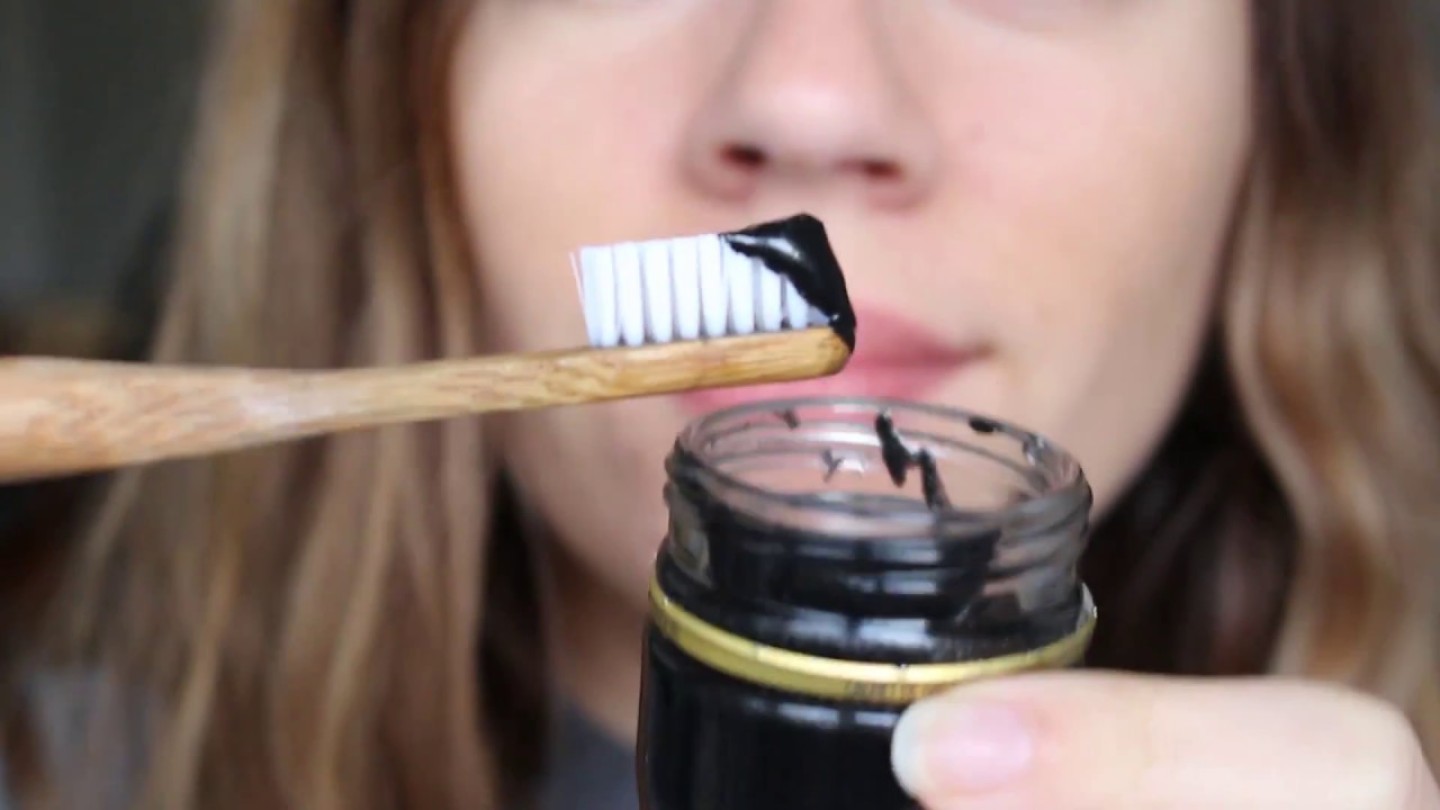
You can't walk down a toothpaste aisle or scroll through your social media feed without seeing ads for charcoal toothpaste. It started off in natural oral care product lines as an alternative to traditional whitening products. It quickly became popular and the more mainstream companies jumped on the wagon. So, how do they work and is it worth all of the hype...and the potential mess?
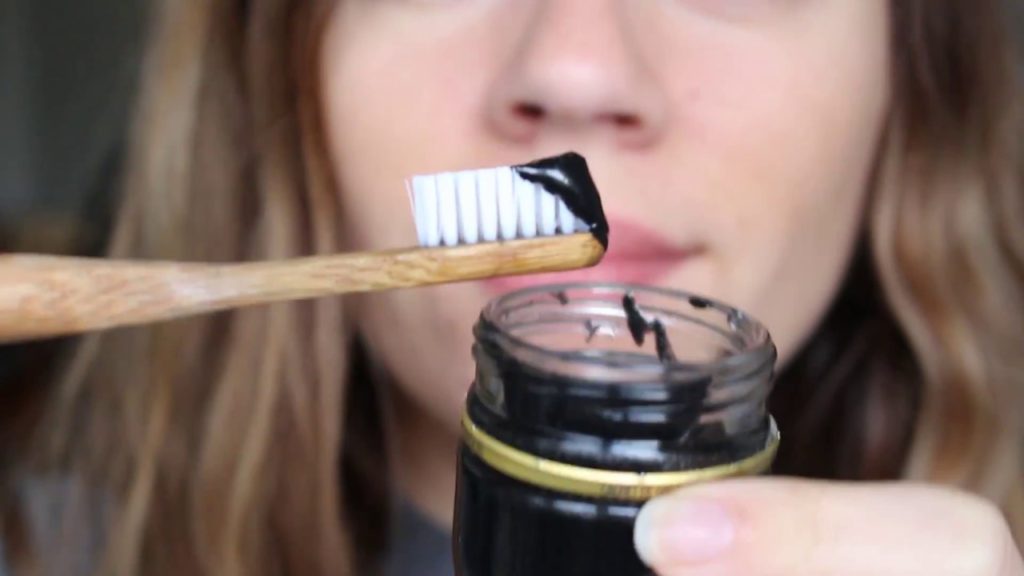
Charcoal toothpastes contain activated charcoal. Activated charcoal is a form of carbon that has been treated to make it's surface rough and porous. The rough surface scrubs stains away while the porous areas attract and grab onto the particles that have been removed from the tooth's surface. Charcoal toothpastes work well on surface level extrinsic stains, but they do not have the ability to change intrinsic stains. Most product comparisons show that charcoal toothpastes are more effective than other popular whitening toothpastes at removing stains. The high efficacy comes from the abrasiveness of the activated charcoal. It is important to use charcoal toothpastes sparingly and not more than 1-2 times per week. If used too often, the abrasiveness of activated charcoal can cause irreversible tooth damage and sensitivity. Bottom Line: Charcoal toothpaste is safe/effective when used sparingly.
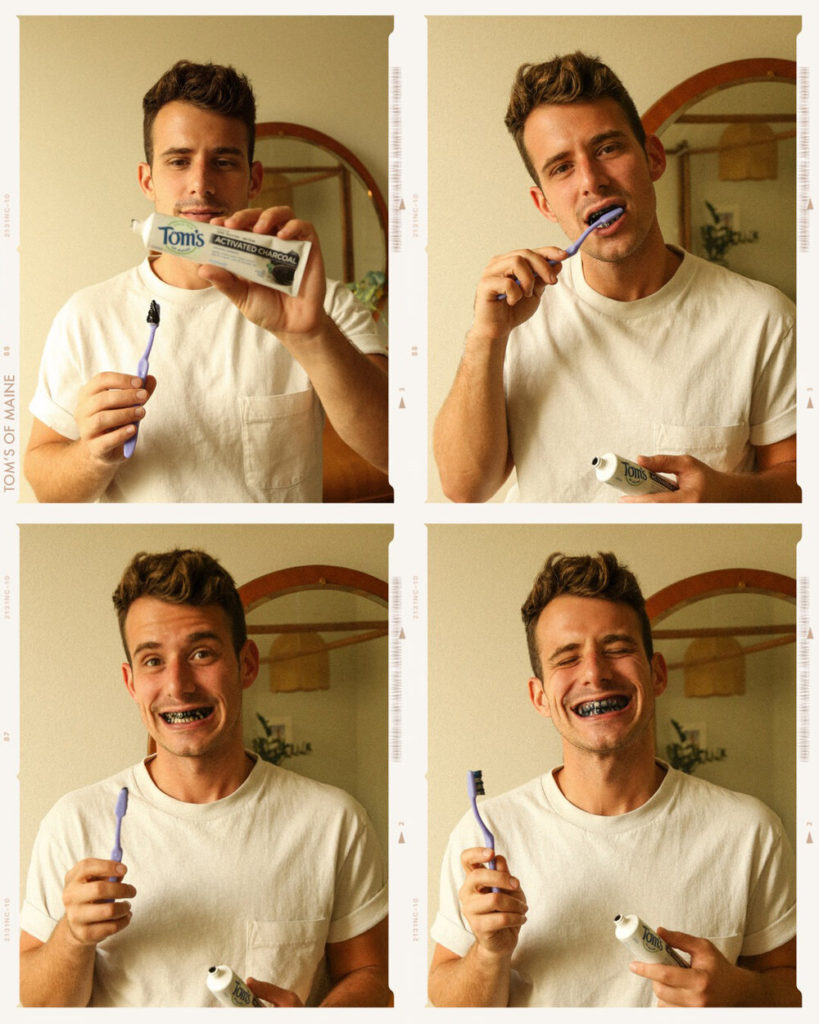
There are two types of tooth stain, extrinsic and intrinsic. Extrinsic stains are those that sit on the surface of the tooth. These stains are typically caused by food and drinks such as coffee, tea, wine, and berries. Extrinsic stains are not incorporated into the tooth structure, therefore they can typically be removed by brushing and/or by your hygienist during your professional dental cleaning. Intrinsic stains are those that have become incorporated into the actual tooth structure. These stains can also be caused by food and drinks, as well as medication and some health conditions. Intrinsic stains cannot be removed by brushing or scaling done by your dental hygienist. Intrinsic stains require bleaching procedures to be lightened and removed.

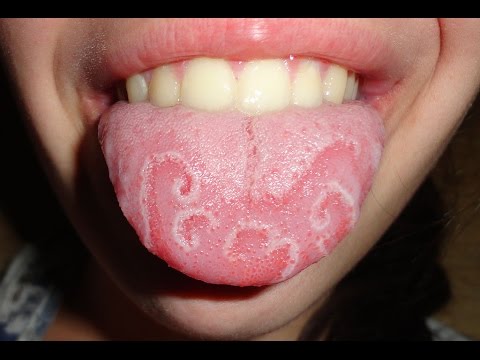
We know geographic tongue sounds like something out of a Jurassic Park movie, but it's definitely not something prehistoric! Geographic tongue is a common condition that is characterized by harmless patches on the surface of the tongue. It effects about 5-10% of the population. Geographic tongue is benign and not related to oral cancer or other oral pathologies. Geographic tongue can occur at any age and it may come and go. More women than men experience geographic tongue.
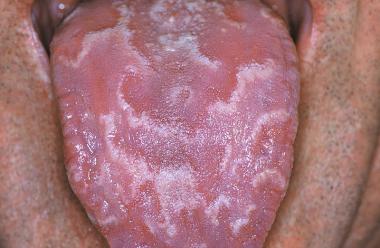
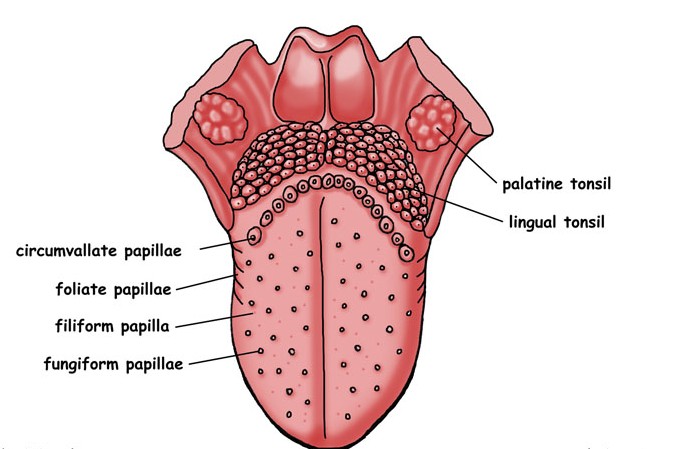
The top of the tongue is covered by little bumps called papillae. There are four types of papillae, three of which contain taste buds. Typically these papillae evenly cover the tongue's surface. In people with geographic tongue, there are areas where papillae are temporarily lost. When the papillae are lost, smooth patches of the tongue's surface are exposed.
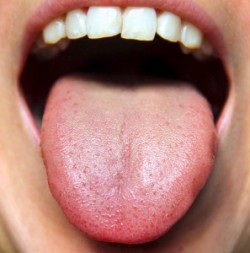
The mouth has incredibly fast and efficient healing abilities. Most oral tissues heal faster than any other cells in your body. The exposed patches of the tongue's surface heal quickly and papillae regrow to cover areas where they were lost.
The cause of geographic tongue is unknown. It seems to run in families and it is definitely agrivated by acidic food and drinks. There has been some speculation that it is related to B vitamin deficines or psoriasis, though a definitive link has not been proven.

November is Diabetes Awareness Month! Let's take a moment to shine some light on one specific type of diabetes that is often misunderstood. Type 1 diabetes (T1D) is an autoimmune disease that can develop in anyone at any age. T1D occurs when your immune system attacks and destroys insulin producing cells in your pancreas. A few quick facts:


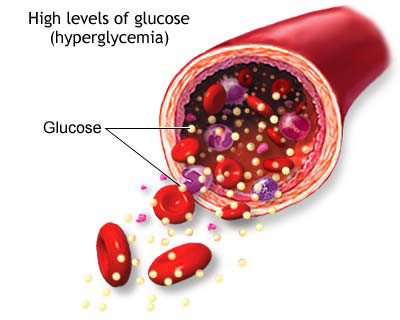
Maintaining healthy blood sugar levels is very important for overall health, including your oral health! When blood sugar levels consistently run high, sugar content in salvia is also high. The excess sugar feeds the bacteria that cause cavities and gum disease. It also creates an more acidic environment which is harmful to oral tissues. Healing abilities are diminished during periods of low or high blood sugar. All of these things together make it harder for your body to repair damaged tissues, which can lead to an increase in cavities and gum disease. The good news is that there are ways to prevent oral complications!
Having healthy teeth and gums will actually help you achieve healthy blood sugar levels. Active infections such as gum disease make it very difficult to rein in blood sugar levels. Prevent infection by practicing excellent oral care, maintaining a healthy lifestyle and working hard to keep blood sugar in optimal range.
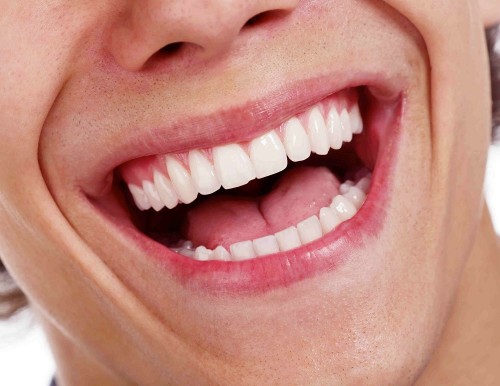
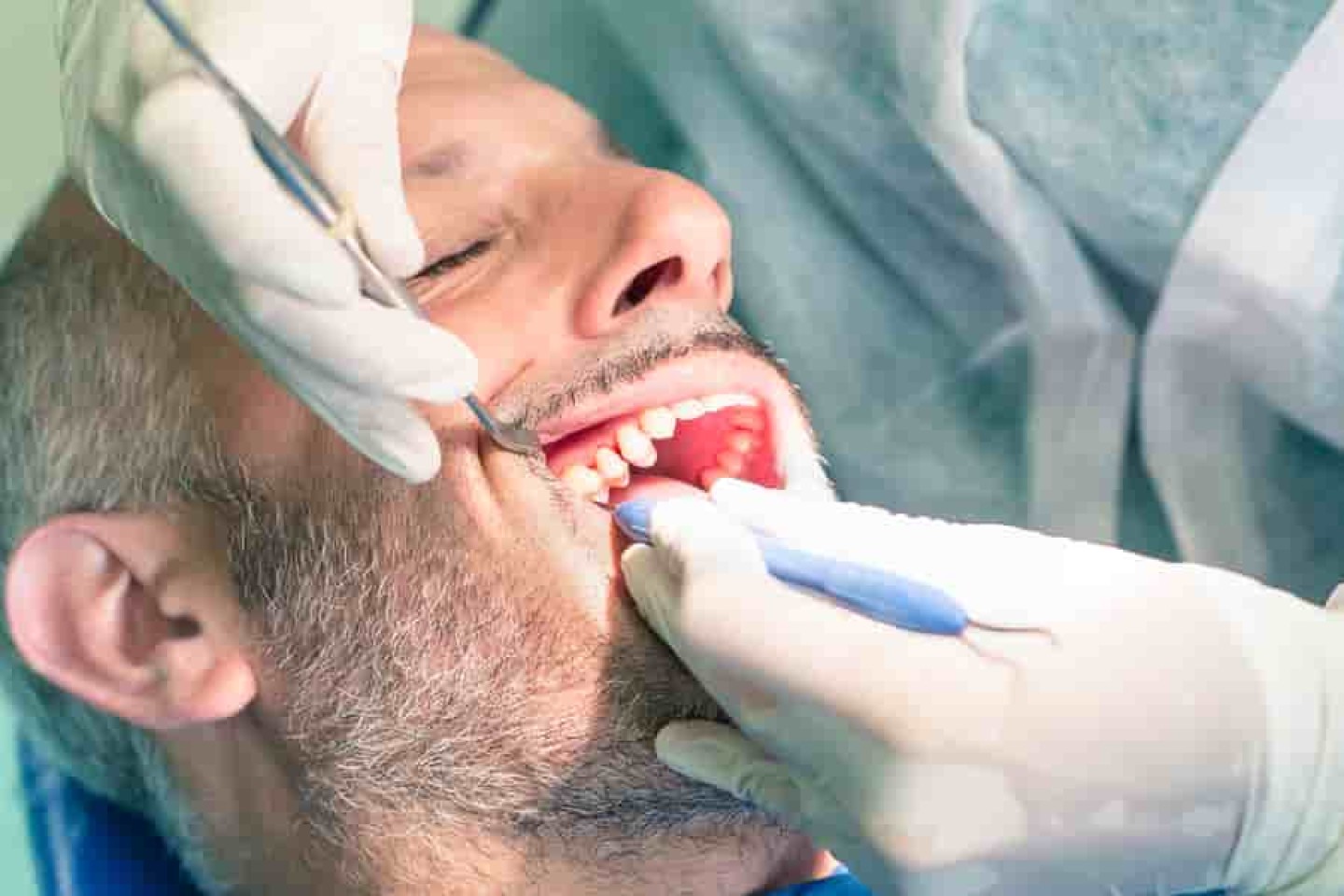
Routine dental cleanings are done to prevent gum disease and maintain optimal oral health. But, what happens when you fall off of the prevention wagon or when you have a troublesome area of periodontitis (aka gum disease)? If you have areas of moderate to heavy calculus build-up, deep gum pocketing, inflammation, and/or bleeding, your dental hygienist may recommend scaling and root planning.
To understand why scaling and root planing is sometimes necessary, it's important to understand the different levels of gum disease. Gum disease can be split into two main categories: gingivitis and periodontitis. Each category can be broken down into mild, moderate, and severe forms. All forms of gum disease are influenced by a variety of factors. Oral hygiene, diet/nutrition, genetics, drug and alcohol use, frequency of routine dental care, and systemic health conditions all play a role.
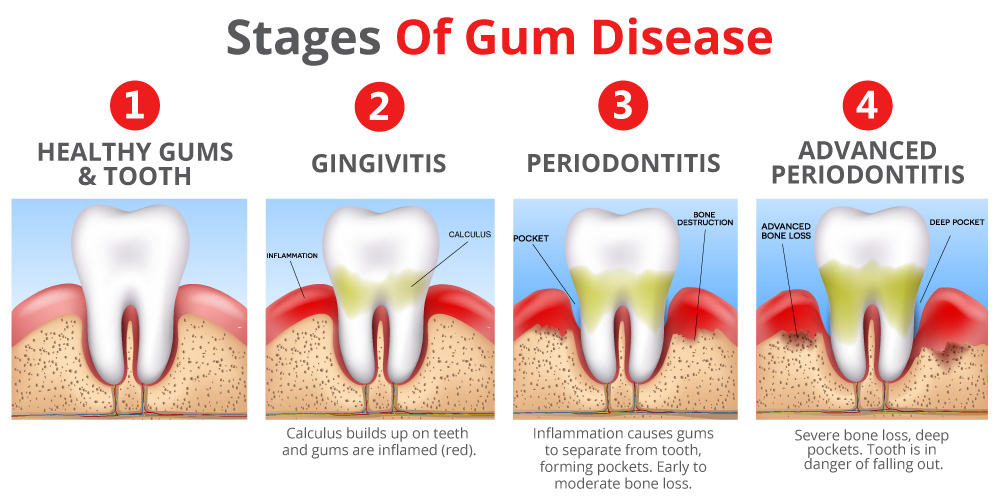
Gingivitis is defined as inflammation of the gum tissue without loss of supporting structures such as bone, periodontal ligaments, and marginal gum tissue. According to the American Dental Association, almost 100% of people will experience gingivitis in their lifetime. Poor plaque control is one of the most common causes of gingivitis. Gingivitis is reversible and can typically be treated with routine dental cleanings, improved oral hygiene, and over-the-counter products. If left untreated, gingivitis can progress into periodontitis.
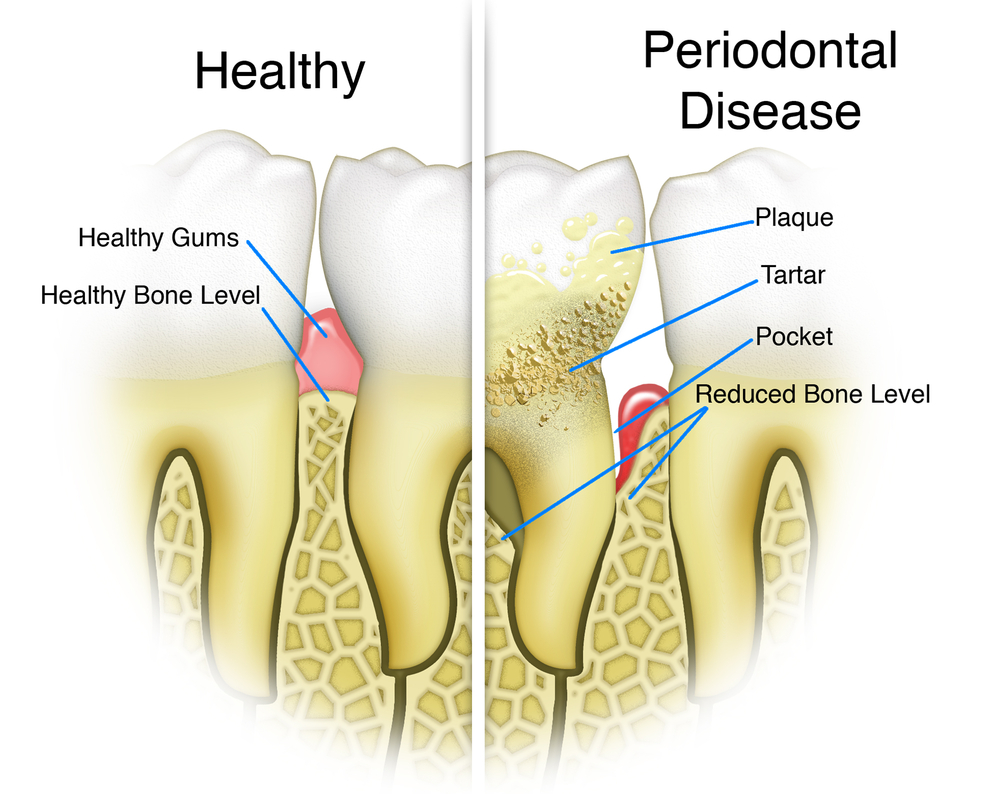
Periodontitis is defined as inflammation of the gum tissue and support structures that has resulted in permeant damage and loss of tissue. Severity is determined by the degree of bone loss, tooth mobility, and tissue destruction. Periodontitis is typically a multifactorial process and must be addressed promptly to achieve the best possible outcome. This is where scaling and root planing comes in!
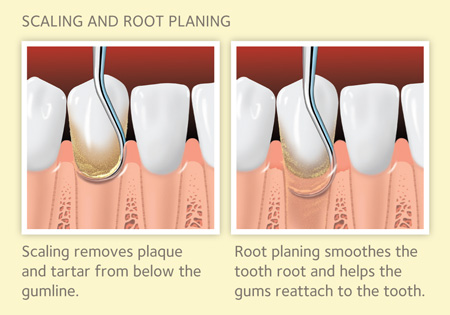
Scaling and root planning is often referred to as a "deep cleaning" because it is more involved than a routine cleaning. Often times, this means splitting the cleaning into multiple appointments. Your dental hygienist will evaluate and make a treatment plan by quadrant (upper right, lower right, upper left, lower left) to determine appointment length. You can usually plan on at least two 90 minute appointments to complete your treatment, sometimes more. You may need to be numb for the procedure to allow for all of the plaque, calculus, and debris to be removed comfortably. Don't fret! Different types of anesthetic (some topical and needleless) can be used. Once your comfort needs have been met, your dental hygienist will remove the plaque, calculus, and stain using an ultrasonic scaling device and hand scalers. The ultrasonic scaler works quickly to access hard to reach areas, remove caked on build-up, and help irrigate inflamed gum pockets. It also helps kill bacteria as it cleans which improves healing outcomes. Hand scalers leave a smooth, healthy finish to allow for healing. During the cleaning process, as well as when it is complete, it is very important to practice excellent oral home care to allow the gum tissue to heal. You will typically return in 6-12 weeks for a follow up appointment. At this appointment, your dental hygienist will likely do a thorough periodontal maintenance cleaning and evaluate overall healing. He or she will also determine what type of routine cleaning you need moving forward.
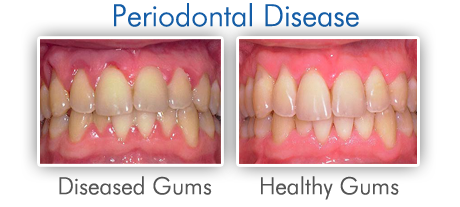
Stopping progressive gum disease in it's tracks is the only way to prevent further destruction. Calculus build-up under gum tissue creates a similar situation to a splinter buried deep in a finger. If you let the splinter stay stuck under the skin, an infection develops and it will continue to worsen until the splinter is removed. The calculus must be removed for the gum tissue to heal to the best of it's ability. The sooner you get started, the better the outcome. You'll never regret taking steps towards better health.
Copyright ©2026 Brosy Family Dentistry | Hippa & Privacy Policy | Healthcare Website Design & Marketing